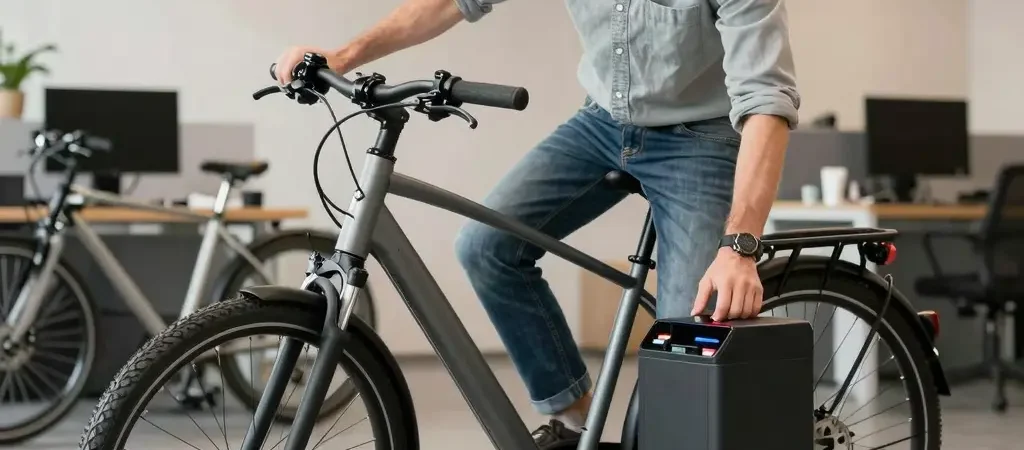
Embracing Ebike Battery Upgrades for Business Success
As businesses increasingly turn to sustainable transportation solutions, ebike battery upgrades are becoming essential for maintaining competitiveness and efficiency in today’s market. For business owners, investing in high-capacity batteries can lead to significant advantages. Enhanced performance is a primary benefit; with a new battery, ebikes can cover greater distances and support heavier loads, translating to improved productivity and service delivery. Additionally, upgraded batteries often come with better energy efficiency, which can substantially reduce operational costs over time-an appealing factor as businesses often seek to cut expenses.
Moreover, customer satisfaction can see a considerable boost. Faster, more reliable delivery services not only enhance the overall customer experience but also foster repeat business and positive word-of-mouth referrals. It’s no surprise that the global trend towards sustainable transportation is influencing how businesses approach logistics – opting for electric solutions that reduce carbon footprints while meeting operational demands. For more insights on how to leverage this trend, explore the role of sustainable transportation and its impact on business strategies. Furthermore, considering a new battery upgrade could prove to be a game changer in ensuring your operational success and sustainability.
Benefits of Upgrading Ebike Batteries for Business Owners
Upgrading ebike batteries offers several key advantages for business owners, enhancing both operational efficiency and customer satisfaction. Here are five notable benefits:
- Increased Range: Newer batteries often provide longer ranges, allowing for extended service areas without frequent recharging.
- Faster Charging Times: Upgraded batteries can significantly reduce downtime, enabling quicker turnarounds for deliveries or services.
- Enhanced Performance: Higher-capacity batteries improve acceleration and hill-climbing capabilities, making it easier to manage heavier loads or tougher terrain.
- Cost Efficiency: With improved energy efficiency, businesses can lower their operational costs over time through less frequent charging.
- Increased Reliability: New batteries enhance reliability, reducing the risk of breakdowns and ensuring that business operations run smoothly.
For more insights on electric bike functionality, check this detailed guide.
Summary of Ebike Battery Upgrades
The electric bicycle (ebike) market has seen tremendous advancements in battery technology, significantly influencing performance and user experience. Recent statistics highlight key trends and improvements associated with upgrading ebike batteries.
-
Market Growth: According to a report by WifiTalents, in 2023, the U.S. retail sales of ebikes reached 2.2 million units, with China accounting for 73% of global sales. This indicates a rapidly growing interest in electric bikes, likely pushing manufacturers to enhance battery performance to meet consumer demands.
-
Battery Efficiency: As highlighted in a report from Gitnux, the global ebike battery market is projected to reach $6.3 billion by 2032. One notable performance improvement is the efficiency boost of 0.5-1.0% per 1°C reduction in battery temperature. This suggests that better thermal management in battery design could lead to significant improvements in range and longevity.
-
Performance Enhancements: Upgrading to higher-voltage batteries, such as a 72V system, can drastically enhance riding performance, providing more power and efficiency. Insights from LaunchPad Creative underscore that such upgrades lead to noticeable improvements in acceleration and climbing capabilities, making rides smoother and more enjoyable.
For those considering battery upgrades, it’s essential to research quality options that align with their ebike model and intended usage. Explore options from Surron to meet your specific needs.
For broader insights into electric bikes and their impact, check out this detailed guide on electric bike statistics.
When it comes to upgrading ebike batteries, several crucial compatibility considerations must be kept in mind. Making informed decisions can lead to enhanced performance and avoid potential issues down the line. Here’s what business owners should contemplate:
1. Battery Voltage Compatibility
Understanding battery voltage is paramount. Ebike batteries typically come in various voltages, with common options being 36V, 48V, and 52V. The first step in ensuring compatibility is to match the new battery’s voltage with the existing ebike motor and controller specifications.
- Risks of Mismatching: Using a higher voltage battery (e.g., a 48V battery on a 36V system) can lead to overheating, reduced lifespan of the components, and even damage. According to a comprehensive guide on ebike battery voltage, consistent voltage is critical for the system’s safety and performance.
2. Physical Compatibility
The physical size and shape of the battery must also align with the ebike frame and battery compartment. Different models of ebikes may have unique fittings, which can limit which batteries can be seamlessly integrated. Here are a few considerations:
- Mounting System: Check if the mounting mechanisms (like racks or clips) match the new battery. Some brands offer specialized mounts for their batteries, making aftermarket upgrades more complicated.
- Weight Distribution: A heavier battery could affect the handling of the bike; ensure that the weight distribution remains optimal for safety and performance.
3. Performance Specifications
When upgrading, it’s essential to consider the performance specifications of the new battery, including:
- Capacity (Ah): A higher amp-hour rating means more energy storage, translating to longer ranges between charges, which is particularly beneficial for business owners with delivery or rider needs. Ensure that the motor can handle the respective power output without issues.
- Discharge Rate: The discharge rate determines how much power the battery can provide at high speeds. A battery with a high discharge rate will deliver better performance under demanding conditions.
4. Warranty Implications
Before proceeding with a battery upgrade, it is vital to review any warranty implications. Some manufacturers may void the warranty if an incompatible battery is installed. To mitigate risks:
- Consult Manufacturer Guidelines: Always refer to the manufacturer’s specifications for compatibility guidelines to ensure you don’t jeopardize warranty coverage.
- Reputable Suppliers: Purchase batteries from reputable suppliers who provide warranties and clear compatibility information.
5. Future-Centric Thinking
As technology rapidly evolves, considering future upgrades is equally essential. Opting for a battery compatible with next-gen ebike technology can save future costs and hassle. Look for emerging technologies that could enhance battery life and performance.
In conclusion, upgrading ebike batteries can significantly improve efficiency and performance for business applications. However, conducting thorough compatibility checks and understanding specifications can make the difference between a successful upgrade and costly mistakes. For more detailed specifications and battery options, read more here to gain insights into optimal battery selection.
Preparing your business for an upgrade with the right considerations ensures better performance and longevity for your ebike fleet.
| Brand | Capacity | Price (Approx.) | Warranty | Notes |
|---|---|---|---|---|
| Ainbattery | 40Ah | $800 | 1 year | Supports motors up to 8000W. Ainbattery |
| Elemex | 52V 20Ah | $600 | 2 years | High-performance with LG cells. Elemex |
| Brompton | 345Wh | $1980 | 1 year | New off-road model with efficient range. BikeRadar |
| Eahora | 48V 60Ah | $1200 | 1 year | High power with full suspension system. Eahora |
| Bicycle Motor Works | Custom | Varies | Lifetime | Specializes in high-performance solutions. Bicycle Motor Works |
This table allows business owners to easily compare vital specifications and prices for different eBike battery options. Understanding these factors can significantly assist in selecting the best battery for their electric bikes, thus enhancing their product offerings in the eBike market.
For more about eBike battery upgrades, learn more here.
Step-by-Step Guide for Upgrading Your eBike Battery
Upgrading your eBike’s battery can seem intimidating, especially for those who aren’t technically savvy. However, with the right guidance and tools, it can be an easy and rewarding process. Follow these steps to successfully install a new battery on your eBike.
Tools Needed
- Basic tools: Screwdrivers (both Phillips and flathead), a wrench, and pliers.
- Safety gear: Safety goggles and gloves to protect yourself during installation.
- New battery: Ensure the battery you purchase is compatible with your eBike model. To explore various options, check out this eBike battery upgrade guide.
- Battery charger: Ensure that you have a charger suitable for the new battery voltage and capacity.
Installation Steps
-
Prepare Your eBike
Start by turning off your eBike and removing the key (if applicable). Safely store other components that may obstruct access to the battery. -
Remove the Old Battery
- Locate the battery mount on your eBike. This is typically found on the downtube or rear rack.
- Carefully unscrew or unclip the battery from its mount. Keep screws in a safe place for later.
- Inspect the Connections
- Before installation of your new battery, check the connectors and wiring for any wear or damage. This maintenance can prevent hazards down the line.
- Make sure that the connections match in shape and size with your new battery.
- Install the New Battery
- Align the new battery with the mounting points and secure it using the screws or clips that you previously removed. Ensure a snug fit to prevent unwanted rattling during rides.
- Connect the battery terminals by matching the positive (+) and negative (-) connectors.
- Testing
- Before finalizing the installation, ensure that the battery is secure and the connections are correct.
- Turn on your eBike and test the throttle to ensure that the motor responds. If there are any issues, double-check the connections.
- Charging
- Fully charge your new battery before your first ride to ensure optimal performance. Refer to the battery manufacturer’s instructions for detailed charging instructions.
Tips for a Successful Installation
- Consult the Manual: Always refer to your eBike’s user manual for specific instructions related to your model.
- Seek Help if Needed: If at any point you feel unsure, don’t hesitate to consult a professional mechanic or check out instructional videos available online for a visual guide. For further guidance, you can visit Ebike Essentials for a video tutorial on battery installation.
Upgrading your eBike battery not only boosts your bike’s performance but also enhances your overall riding experience. With these simple steps, you will enjoy a smoother and longer ride tailored to your needs.

Maintenance Tips for Newly Upgraded Ebike Batteries
Upgrading your ebike battery is an excellent way to enhance performance and extend your riding experiences. Once you’ve made this investment, it’s essential to take steps that ensure its longevity and optimal functioning. Here are some maintenance tips to keep your newly upgraded ebike battery in peak condition:
1. Charging Best Practices
- Charge Regularly: Always charge your battery after each ride. This habit not only ensures readiness for your next trip but helps maintain battery health. Aim to fully charge to 100% but avoid leaving it plugged in for excessively long once fully charged.
- Use the Correct Charger: Utilize the charger that comes with your upgraded battery. Chargers are designed for specific batteries, and using the wrong one can negatively impact battery health.
- Avoid Complete Discharge: Try not to let your battery drop below 20% charge frequently. Deep discharges can lead to a reduction in lifespan over time.
2. Storage Tips
- Store Properly: If you plan to store your ebike for an extended period, charge the battery to around 50%-60%. This level helps preserve battery cells during inactivity.
- Cool, Dry Location: Store your battery in a cool and dry place. High temperatures can damage battery cells, so avoid places like garages or attics in extreme weather.
3. Ways to Extend Battery Life
- Regular Inspections: Periodically check the battery’s connectors and cleanliness. Dust and corrosion can interfere with performance. Cleaning these can enhance connectivity and prolong battery life.
- Turn Off When Not in Use: Make sure to turn off your ebike when not in use. Not only does this conserve energy, but it also prevents unnecessary wear on the battery.
By following these maintenance tips, you’ll not only ensure the longevity of your upgraded ebike battery but also maximize your riding experience. For more in-depth guidelines on ebike care, check out this article from Aventon.
Additionally, explore essential strategies to extend battery life in further detail by visiting SAMEBIKE’s resource.
Proper care and maintenance will keep your ebike battery performing at its best!
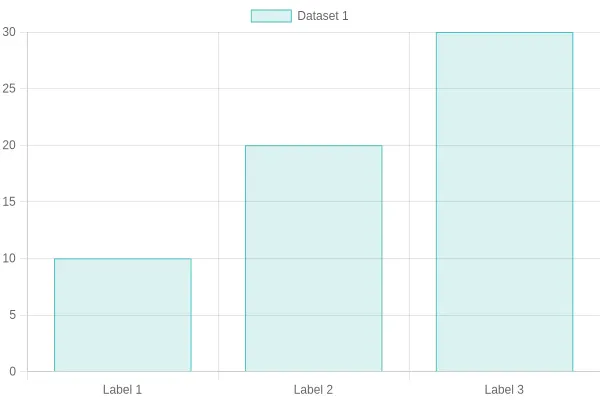
Chart Showing Battery Lifespan Improvements
This chart visualizes the average lifespan of e-bike batteries before and after upgrades. The data illustrates significant increases in both the number of full charge cycles and the overall lifespan in years gained from battery upgrades.
| Feature | Before Upgrades | After Upgrades |
|---|---|---|
| Full Charge Cycles | 500 | 800 |
| Lifespan (Years) | 3-5 | 4-6 |
Sources
Conclusion and Call to Action
In conclusion, upgrading your eBike’s battery can significantly enhance your business operations. With increased range, reliability, and performance, a new battery ensures that your fleet meets customer demands effectively. Embracing the latest battery technologies not only reduces downtime but also improves customer satisfaction and enables your business to stay competitive in the evolving market.
As a business owner, investing in eBike battery upgrades could be one of the best decisions you make this year. The benefits of longer-lasting batteries and reduced charging times can translate into higher productivity and better service delivery. If you’re looking to stay ahead in the eMobility landscape, consider making this upgrade.
For further information and assistance with the best options for eBike battery upgrades, visit our website or contact us directly. Our experts are ready to help you choose the right battery solutions tailored to your business needs. Don’t wait-upgrade today and enhance your eBike experience!