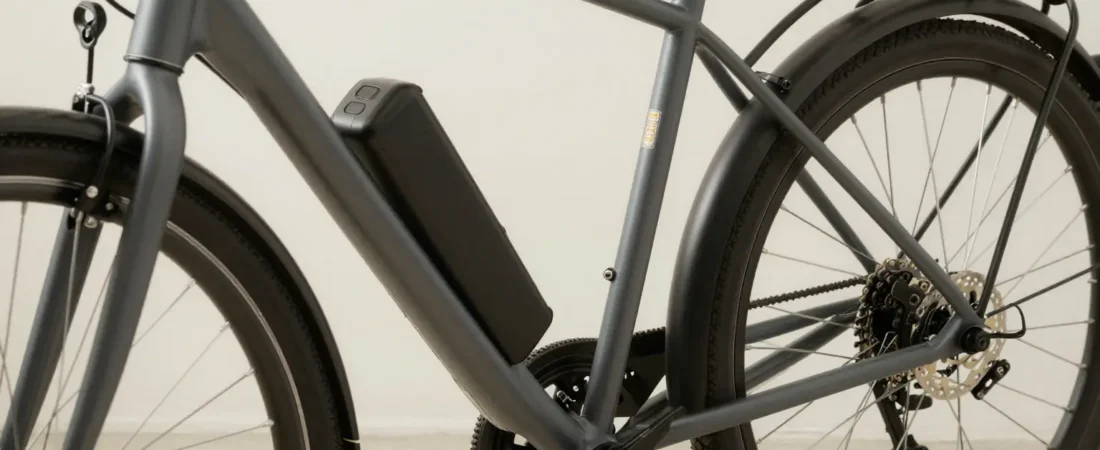
In the rapidly expanding world of electric bicycles (e-bikes), the significance of lithium battery care cannot be overstated, especially from a business perspective. For e-bike retailers and rental companies, effective battery management translates into a wealth of advantages that directly impact profitability and customer satisfaction. First and foremost, the proper maintenance of lithium batteries leads to extended battery life, reducing the frequency of replacements. This reduction not only lowers operational costs but also allows businesses to offer longer warranties, fostering trust with customers and enhancing overall satisfaction.
Moreover, proper battery care is essential for safety considerations. E-bike retailers must prioritize minimization of risks associated with battery failures, such as fires or accidents. By implementing effective battery management practices, businesses can protect themselves from potential liability and reputational damage, building a safer environment for their clientele.
Beyond practical benefits, maintaining the performance efficiency of lithium batteries is crucial. Batteries that are well cared for ensure optimal performance, resulting in a seamless riding experience for customers. This performance can lead to increased sales, as satisfied customers are likely to return and recommend the business to others.
In addition to these factors, there is a growing emphasis on sustainability in today’s business landscape. By demonstrating effective lithium battery management, companies can appeal to environmentally-conscious consumers and distinguish themselves in a competitive market. Overall, embracing lithium battery care not only enhances the operational aspect of e-bike businesses but also contributes significantly to their brand image and customer loyalty. As e-bikes continue to gain popularity, businesses that prioritize battery care will be well-positioned for success. learn more about electric bike advantages and how to manage them efficiently.
Caring for lithium batteries goes beyond simply extending their lifespan. For business owners, especially those in industries using electric bikes and mobility tools, understanding proper lithium battery care comes with significant advantages. Here are five key benefits:
-
Extended Battery Life: Proper maintenance and care can greatly extend the lifespan of lithium batteries, reducing the frequency and cost of replacements. This means fewer interruptions to business operations and less investment in new batteries over time.
-
Enhanced Performance: Well-cared-for lithium batteries provide consistent and reliable performance. By following best practices, businesses can ensure that their equipment-whether it’s e-bikes or mobility scooters-operates at its best, improving customer satisfaction.
-
Cost Savings: Investing in proper battery maintenance leads to significant savings in the long run. With reduced replacement cycles and improved performance, operational costs for businesses can be notably decreased.
-
Increased Safety: Proper care of lithium batteries minimizes risks of overheating and potential hazards. Establishing safety protocols around battery maintenance helps protect employees and customers, creating a safer workplace environment.
-
Sustainability: By prolonging the life of lithium batteries through proper care, businesses contribute to sustainability efforts. Fewer batteries disposed of means reduced environmental impact, aligning with growing consumer preferences for eco-conscious practices.
For more about effective practices for managing lithium batteries, check out this insightful guide on lithium battery care.
By focusing on these benefits, business owners can not only enhance their operations but also showcase their commitment to quality and sustainability in their service offerings.
Common Misconceptions About Lithium Battery Care
As business owners increasingly rely on lithium batteries for various applications-like e-bikes, electric mobility devices, and more-it’s critical to understand the common misconceptions surrounding their care. Mistakes stemming from these misconceptions can lead to poor performance and shorter lifespans for these valuable batteries. Here’s a breakdown of some prevalent myths:
1. You Must Let Lithium Batteries Fully Discharge
One of the most widespread myths is that lithium batteries need to be fully discharged before recharging. This myth is rooted in older battery technologies, such as nickel-cadmium batteries, which indeed required full discharge to avoid memory effects. In contrast, lithium batteries function best when kept between 20-80% charge. Allowing them to drop below 20% can actually harm battery capacity and longevity. Learn more about battery care here.
2. Overcharging is Dangerous
Business owners often worry that overcharging lithium batteries could lead to explosions or fires. Although this concern is understandable, it is not accurate for modern lithium batteries. These batteries are equipped with advanced circuitry designed to prevent overcharging. They autonomously cease charging once full, making overcharging much less risky than it is commonly believed.
3. Cold Conditions are Ideal for Battery Storage
Another misconception is that cold temperatures can help extend battery life. While it’s true that cooler temperatures can reduce self-discharge rates, storing lithium batteries in extreme cold can be harmful. Cold conditions can lead to performance issues and a decline in battery capacity once the battery is put back into use. For optimal storage, a cool but not freezing environment is recommended.
4. Leaving Batteries in Devices Will Drain Them Faster
Some business owners believe that removing batteries from devices when not in use will preserve their charge. In many cases, it’s actually better to leave them installed, provided they are not in a fully discharged state. Lithium batteries self-discharge at a slower rate in devices than when removed, and this can help maintain their longevity.
Conclusion
Understanding these misconceptions can help business owners make informed decisions regarding lithium battery maintenance and usage. Proper care can not only extend the lifespan of their batteries but also improve performance-leading to better operational efficiency. For further information on electric vehicles and lithium batteries, visit our comprehensive guide on our website for updates.
| Battery Type | Lifespan (Cycles) | Charging Time | Weight (kg) |
|---|---|---|---|
| Lithium | 2,000 – 5,000 | 2 – 4 hours | 1 – 2 |
| Lead-Acid | 200 – 300 | 8 – 12 hours | 10 – 30 |
| Nickel-Cadmium | 1,000 | 1 – 3 hours | 2 – 5 |
Sources:
Storage Tips for Lithium Batteries in E-Bikes
Proper storage of lithium batteries is essential for e-bike business owners to ensure the longevity and safety of battery performance. Here are four storage tips that can help maintain the health of lithium-ion batteries used in e-bikes:
1. Maintain Optimal Charge Level
Storing lithium batteries at the right charge level is crucial for prolonging battery life. It is recommended to keep the battery charged between 40% and 60%.
- Avoid Full Discharge: Storing batteries in a fully discharged state can lead to irreversible damage.
- Prevent Overcharging: Similarly, fully charging them before long-term storage can negatively impact battery chemistry.
2. Control Temperature Conditions
Lithium batteries perform best when stored in a controlled environment. Aim for a temperature range between 15°C to 25°C (59°F to 77°F).
- Avoid Extreme Temperatures: High temperatures can accelerate degradation, and freezing temperatures may cause cell damage. If batteries are stored in places like garages or basements, it’s important to monitor temperatures, especially during summer or winter seasons.
3. Maintain Low Humidity
Humidity can severely affect battery life as excessive moisture may lead to corrosion and other functional issues.
- Dry Storage Location: Store lithium batteries in a dry location, away from moisture sources. Utilizing desiccants or silica gel packets in storage boxes can help maintain low humidity levels.
- Periodic Inspections: Regular checks to ensure the storage area remains dry can prevent long-term damage.
4. Regularly Monitor Battery Health
Performing routine checks on stored batteries ensures they remain charged and in good condition.
- Visual Inspections: Look for signs of swelling, leaks, or other abnormalities during inspections. If you notice any irregularities, consult a professional for further assessment.
- Charge Level Checks: If storing for an extended period, check the battery charge every few months and recharge as necessary to keep it within the safe range.
Additional Considerations
In addition to these tips, it’s vital that you refer to your e-bike’s manual for specific storage recommendations. Comprehensive battery care leads to improved performance, longevity, and safety of the battery, which directly impacts customer satisfaction and business reputation.
For further information on lithium battery care, consider reading more about battery maintenance and explore guidelines from the National Fire Protection Association.
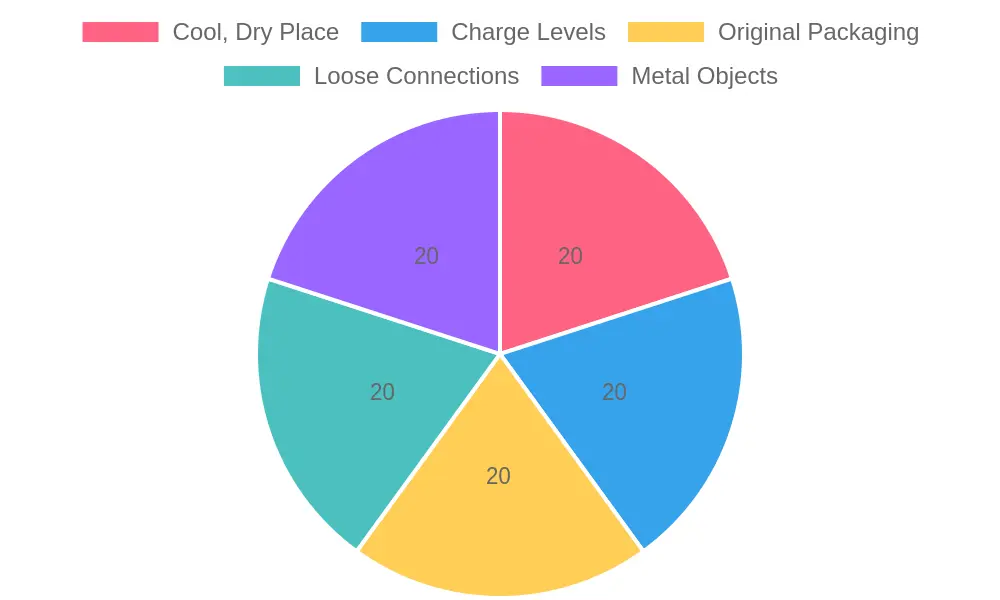
Best Practices for Maintaining Lithium E-Bike Batteries
Maintaining lithium e-bike batteries is crucial for business owners seeking to maximize performance, longevity, and safety. Proper care not only enhances the life of the battery but also the satisfaction of customers using the e-bikes. Here are essential best practices to follow:
1. Optimal Charging Levels
- Charge your battery between 20% and 80%: Keeping the battery charge in this range is essential for extending its lifespan. A consistent shallow depth of discharge (DoD) is healthier for lithium-ion batteries than regularly draining them completely. Regularly charging and avoiding deep discharges can significantly improve the overall health of the battery.
2. Avoiding Deep Discharges
- Do not let the battery discharge below 20%: Deep discharges can damage the battery over time, leading to a shorter lifespan and reduced performance. Encourage users to recharge their batteries before they reach critical levels to avoid the risk of complete discharge.
3. Inspecting Terminals
- Regularly check battery terminals for corrosion: Corrosion can significantly affect battery performance and safety. Utilize a soft cloth to clean the terminals as needed and ensure all connections are secure. This maintenance step is vital prior to charging, particularly if the e-bikes have been in use for extended periods in various weather conditions.
4. Proper Storage Conditions
- Store batteries in a cool, dry place: Temperature extremes can negatively affect lithium batteries. Ideally, store them at moderate temperatures (between 40-60% charge) when they are not in use for longer durations. This will prevent the battery from entering a completely discharged state, which can lead to irreversible damage.
5. Use the Correct Charger
- Always use the manufacturer’s recommended charger: Using the wrong charger can lead to overcharging, overheating, and other potential hazards. Make it a rule that only approved chargers are used within your business to safeguard battery integrity.
6. Regular Maintenance Checks
- Schedule routine inspections: Regular maintenance checks should be part of your operational protocol. Verify that the batteries are functioning correctly, check the health indicators if available, and assess any physical signs of wear or damage. Routine checks will help identify potential issues before they escalate.
7. Educate Your Staff and Customers
- Provide training on proper battery care: Equip your staff with knowledge on how to handle and maintain e-bike batteries effectively. Additionally, informing customers on good practices can promote better care when they utilize the bikes. You could offer pamphlets or digital content that outline these best practices, along with direct link suggestions to related products on your website, like the Talaria MX3 and Surron battery upgrades.
Conclusion
By implementing these best practices for battery maintenance, business owners can ensure their lithium e-bike batteries remain in excellent condition for a longer period. Keeping routines for charging, checking terminals, and emphasizing storage will not only extend battery life but enhance overall customer satisfaction with your e-bike services.
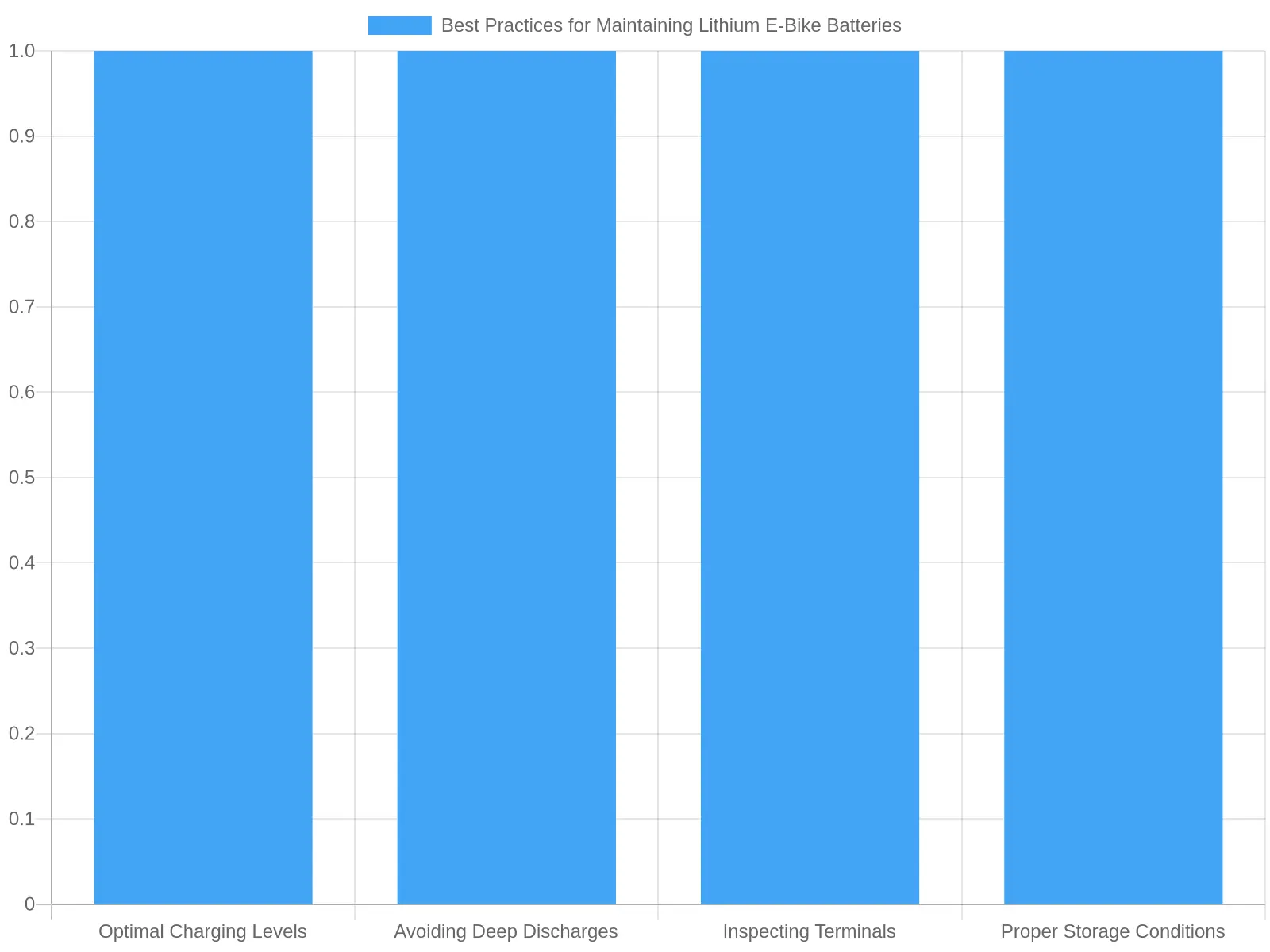
Figure: Best Practices for Maintaining Lithium E-Bike Batteries
Through diligent care and proactive maintenance strategies, you can keep your e-bike fleet operating safely and efficiently.
Lifespan vs Maintenance Frequency of E-Bike Lithium Batteries
Understanding the relationship between battery maintenance frequency and lifespan is crucial for business owners managing e-bikes. The following chart illustrates this relationship, highlighting how maintenance impacts longevity:
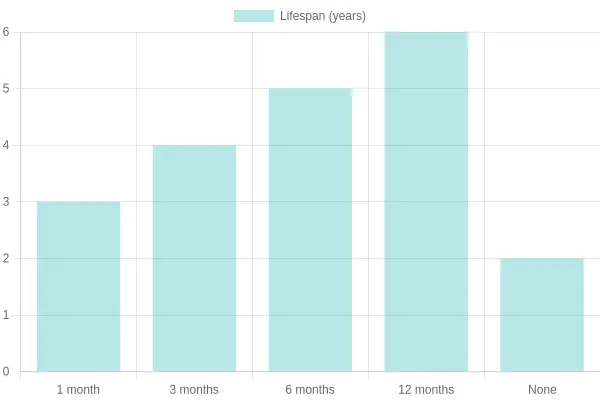
Observations:
- Monthly Maintenance: Provides only a 3-year lifespan.
- Maintenance Every 3 Months: Extends lifespan to 4 years.
- Maintenance Every 6 Months: Further increases lifespan to 5 years.
- Annual Maintenance: Results in the best lifespan of 6 years.
- No Maintenance: Significantly reduces lifespan to just 2 years.
| Maintenance Frequency (months) | Lifespan (years) |
|---|---|
| 1 | 3 |
| 3 | 4 |
| 6 | 5 |
| 12 | 6 |
| None | 2 |
Regular maintenance is essential for enhancing the longevity of lithium batteries used in e-bikes. For detailed insights on maintaining your e-bike’s battery, learn more about our services.
Conclusion
In summary, the care and maintenance of lithium batteries in e-bikes are crucial, especially for business owners looking to enhance their product value and customer satisfaction. Understanding the lifespan and degradation factors affecting these batteries can lead to significant long-term advantages. Proper battery management can extend the lifespan of a lithium battery by as much as 25%, which is essential for reducing replacement costs and maximizing profitability over time.
Key practices discussed include:
- Optimal Charging: Keeping the charge between 20-80% and avoiding complete discharges can prevent capacity degradation by up to 20%.
- Storage Conditions: Always store batteries in cool, dry environments, away from direct sunlight and extreme temperatures to ensure their longevity and efficiency. This helps in maintaining the overall health of the battery and provides reliable performance.
- Regular Maintenance: Conducting routine checks every six months allows business owners to keep the battery’s health in check, helping to identify potential issues before they become costly problems.
Additionally, utilization of original chargers and confirmation that ventilation is available during charging can significantly help prevent overheating, which can shorten battery lifespan. Learn more about battery care practices.
Business owners should not only educate themselves and their customers about these essential practices but also actively promote them. By establishing a reputation for reliability, businesses can attract more customers, leading to increased sales and customer loyalty. Ultimately, investing time and resources into proper lithium battery maintenance not only reinforces a business’s commitment to product excellence but also plays a vital role in the growth and sustainability of the e-bike industry.
Proactive Lithium Battery Care: A Call to Action for Business Owners
As a business owner in the electric bike industry, ensuring the longevity and efficiency of your lithium batteries is crucial. Proper battery care not only enhances the performance of your e-bikes but also boosts customer satisfaction and retention. To achieve this, consider implementing the following practices:
- Regular Maintenance: Schedule consistent check-ups for your lithium batteries. This includes monitoring their health, checking for any signs of wear or damage, and ensuring optimal charging practices are followed.
- Educate Your Team: Train your employees on the importance of lithium battery care. Equip them with knowledge about the common issues and troubleshooting techniques, which can be vital in assisting customers effectively.
- Customer Guidance: Offer information to your customers about how they can care for their lithium batteries. Provide clear instructions on charging habits, storage, and handling to maximize battery life.
Make proactive battery care a priority in your operations. Not only will it safeguard your investment, but it will also elevate your business’s reputation in the marketplace. If you want to dive deeper into understanding the nuances of battery maintenance, learn more about our battery care tips. Let’s work together to ensure that both your business and your customers enjoy the full benefits of their electric bikes!
Don’t underestimate the power of a well-maintained battery. Today’s small efforts can lead to substantial gains tomorrow. For more about the latest electric bike innovations, check out our extensive guides.