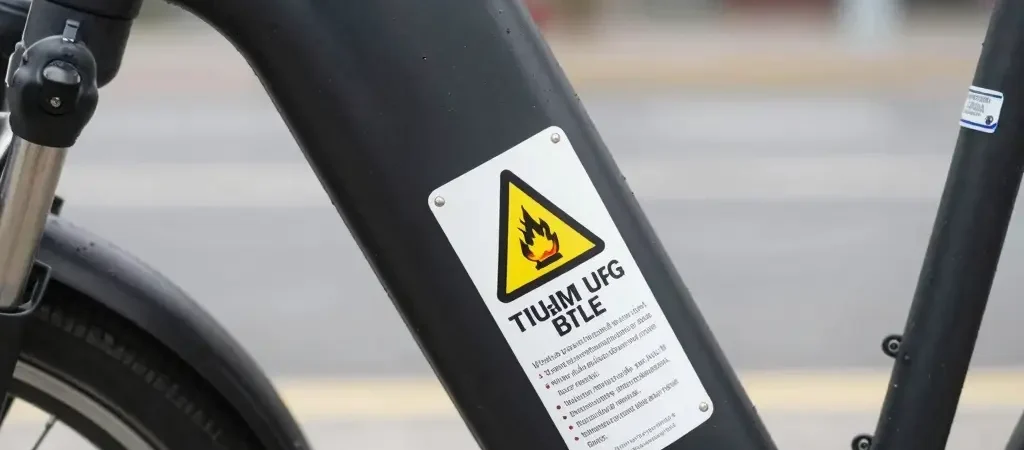
As the popularity of electric bicycles (ebikes) surges, so does the importance of understanding the potential fire risks associated with lithium batteries. For business owners in the ebike industry, being aware of these hazards is crucial. Imagine the devastating impact a fire could have-not just on your inventory, but on your reputation and customers’ safety. Each year, thousands of incidents surface globally, highlighting the urgent need for vigilance. These fires often stem from battery faults, improper charging, or inadequate storage conditions. With regulations tightening and consumer awareness growing, businesses must adopt best practices to mitigate these risks.
This article delves into the significance of safeguarding your ebike operations from lithium battery fires, ensuring not only the safety of your business but also maintaining customer trust and satisfaction. Learn more about effective safety measures to protect your investments.
Potential Causes of Lithium Battery Fires in E-bikes
As a business owner operating e-bikes, it’s crucial to be aware of the potential causes of lithium battery fires. Understanding these factors can help you implement safety measures to protect your business and customers:
- Manufacturing Defects: Poor quality control during battery production can lead to faults that may result in fires.
- Overcharging: Excessive charging can cause overheating and increase the risk of thermal runaway.
- Physical Damage: Impact or puncture of the battery can compromise its safety, triggering chemical reactions that lead to fires.
- Temperature Extremes: Exposure to high temperatures can heighten the risk of battery failures and fires.
- Improper Storage: Storing batteries in unsuitable conditions can lead to degradation and uncontrolled reactions.
For more detailed insights, check out articles discussing lithium-ion battery fires and their rising frequency in e-bikes, including potential causes like thermal runaway.
Safety Protocols for Ebike Lithium Batteries
Business owners operating in the e-bike sector must prioritize strict safety protocols when using and storing lithium batteries to prevent potential fire hazards. Lithium-ion batteries, commonly used in e-bikes, carry risks of malfunction, overheating, and ignition if handled improperly. Below are essential safety measures to implement:
-
Proper Charging Practices:
-
Use only manufacturer-recommended chargers to prevent overcharging or overheating.
-
Charge batteries in a well-ventilated area away from flammable materials.
-
Avoid charging batteries overnight or unattended to quickly respond to any irregularities.
-
Secure Storage Solutions:
-
Store batteries in cool, dry, and fire-resistant containers or cabinets.
-
Keep batteries away from direct sunlight, heat sources, and extreme temperatures.
-
Ensure batteries are stored individually to prevent contact that can cause short circuits.
-
Regular Inspection and Maintenance:
-
Conduct routine checks for physical damage such as swelling, corrosion, or leaks.
-
Immediately remove and safely dispose of damaged or malfunctioning batteries.
-
Safe Handling and Disposal:
-
Train staff on proper handling to avoid punctures or crushing of battery cells.
-
Do not throw lithium batteries in the trash; instead, recycle them at authorized centers.
-
Fire Safety Preparedness:
-
Equip storage and charging areas with Class D fire extinguishers suited for lithium battery fires.
-
Establish emergency protocols and conduct fire drills to prepare staff for battery fire incidents.
-
Environmental Controls:
-
Avoid charging or storing batteries in enclosed spaces lacking ventilation to reduce gas build-up risks.
Implementing these protocols will significantly reduce the risk of lithium battery fires, protecting both property and personnel. For businesses dealing with high-performance e-bikes like the Talaria Sting MX3, adhering to these safety guidelines is critical.
For additional insights on e-bike models and related battery technology, you can also explore our guide on the Talaria e-bikes line. This knowledge assists in better understanding how to manage and maintain lithium batteries safely in your business operations.
Recent Statistics on Lithium Battery Fires
Lithium-ion battery fires are becoming a significant concern for businesses, particularly those involved in transportation, e-bikes, and electronics. Recent statistics reveal alarming trends in the frequency and causes of these fires:
- In the UK, fire crews attended 921 lithium-ion battery fires in 2023, marking a 46% increase from the previous year (British Safety Council).
- Lithium-ion batteries are linked to at least three incidents daily across the country, underscoring the urgent need for enhanced safety protocols in businesses handling such products (Thornhill Security Ltd).
- A study noted that improper charging and physical damage were frequent causes of these fires. Larger battery systems, such as those used in electric vehicles, are often implicated in significant incidents (Canberra Times).
- Fire and Rescue services have reported a 20% rise in battery-related fires or explosions in the first half of 2023 compared to the same period last year (Manning River Times).
Understanding these statistics is crucial for business owners to implement effective safety measures and prevent damage from potential battery fires.
Comparison of Lithium Battery Brands for eBikes
When selecting lithium batteries for eBikes, it’s crucial to consider safety ratings, durability, and fire incident rates. Below, you’ll find a comprehensive comparison of several prominent lithium battery brands commonly used in the industry:
| Brand | Safety Ratings | Durability Ratings | Fire Incident Rate | Safety Characteristics |
|---|---|---|---|---|
| Samsung | TBD | TBD | TBD | Advanced thermal management, built-in safety features |
| Sony | TBD | TBD | TBD | High energy density, safety mechanisms |
| LG | TBD | TBD | TBD | Robust safety architecture, thermal protection |
| LiFePO4 | TBD | TBD | TBD | Lower risk of fire, long cycle life |
According to data sources, LiFePO4 batteries are notable for their lower fire risks and longer life cycles when compared to standard lithium-ion options, making them a preferred choice for safety-centric applications in eBikes. On the other hand, established brands like Samsung, Sony, and LG continue to be acknowledged for their innovation in enhancing battery safety and durability, which is vital for business owners looking to reduce risks associated with battery failures.
To delve deeper into this topic, you can learn more about lithium battery safety and the importance of quality design in battery systems.

The image above illustrates a comparative analysis of safety ratings across lithium battery types, providing business owners with valuable insight into making informed decisions regarding eBike battery selections. For ongoing updates and innovations, make sure to explore our resource sections regularly.
Aftermath of Lithium Battery Fires in E-Bikes
The aftermath of lithium battery fires, particularly in e-bikes, can have devastating consequences for businesses. Incidents related to battery fires have been escalating, leading to serious financial and reputational risks that business owners must understand.
Financial Liabilities
When a lithium battery fire occurs, businesses may face direct financial liabilities. These can include:
- Property Damage: Fires can cause significant property damage, leading to costly repairs or replacements for the affected businesses.
- Medical Costs: If customers or employees are injured due to a fire, businesses may be responsible for medical bills, potentially resulting in heavy fines or lawsuits.
- Legal Fees: Following an incident, businesses may incur legal costs if victims choose to file lawsuits. Legal representation can be expensive, particularly in complex cases.
- Insurance Premiums: Insurance companies may increase premiums for businesses involved with lithium battery sales or rentals after a fire incident, increasing ongoing operational costs.
Reputation Impacts
The reputational damage from a battery fire can ripple through a business’s operations in various ways:
- Customer Trust: Trust is central to customer relationships; if a business is linked to dangerous incidents, consumers may seek safer alternatives. This can lead to declining sales and a tarnished brand image.
- Regulatory Scrutiny: Businesses involved in the sale and maintenance of e-bikes may face increased scrutiny from regulatory bodies. Compliance with new regulations can require investments in safety training and equipment, further straining resources.
The Broader Context
Recent reports indicate a rise in battery-related incidents. For instance, in 2025, the UK experienced approximately 1,760 lithium battery fires, representing a significant public safety concern (Battery News). In places like New York City, increasing cases of lithium battery fires have prompted detailed investigations and discussions on e-bike safety, further emphasizing the urgency for businesses to implement comprehensive safety protocols (Norwood News).
In conclusion, businesses that deal with e-bikes and their lithium batteries must take proactive steps to mitigate risks. Developing safety protocols, educating employees, and reassessing financial exposures can help in safeguarding against potential liabilities and maintaining customer trust.

Bar chart demonstrating the increases in lithium-ion battery fires related to e-bikes over the years.

Importance of Proper Handling and Storage of Lithium Batteries in eBikes
Proper handling and storage of lithium batteries in eBikes is critical not just for enhancing performance but also for ensuring safety. As battery technology advances, so does the importance of conformity to safety standards and practices. Here’s a pertinent quote from an expert:
“Understanding the risks and adhering to proper protocols in battery handling can prevent incidents and prolong battery life.”
This emphasizes that mishandling can lead to serious consequences, including fires. Business owners need to be particularly vigilant about the storage conditions and handling procedures of lithium batteries.
Key Guidelines for Safe Handling and Storage:
- Cool and Dry Storage: Lithium batteries should be stored in an environment that is cool, dry, and away from flammable materials.
- Avoid Overcharging: Never charge batteries that have visible damage or signs of swelling.
- Regular Checks: Periodically inspect batteries for any signs of damage or deterioration.
- Safety Compliance: Ensure adherence to safety standards and regulations regarding battery storage and transportation.
These guidelines can reduce risks significantly while extending battery longevity. For business owners, understanding these protocols can not only minimize potential hazards but also enhance overall operational efficiency.
For further information on battery technology and safety measures, you can read more in this article on eBike battery technology trends and safety regulations being put in place.
Conclusion on E-bike Lithium Battery Safety
As e-bikes gain popularity, the associated risks, particularly fires caused by lithium-ion batteries, are becoming increasingly concerning. Recent data indicates over 200 incidents involving micromobility devices since 2021, with significant fatalities reported-268 e-bike battery fires leading to 18 deaths in 2023 alone. Such alarming statistics highlight the critical need for businesses to implement robust safety practices concerning battery management and fire prevention.
Preventive measures that all business owners can adopt include:
- Safe Storage: Keep lithium-ion batteries in cool, dry, and well-ventilated places. Preferably utilize dedicated storage containers that are fire-resistant to minimize risk.
- Regular Inspection: Conduct frequent checks of batteries for visible damage or swelling, which can indicate risks.
- Proper Charging Facilities: Ensure that batteries are charged in designated areas away from flammable materials and in equipment designed for safe charging. It’s crucial to use only the manufacturer’s recommended chargers.
- Employee Training: Educate staff about handling, charging, and storing batteries. Implement protocols that emphasize safe practices and quick response to any signs of danger.
In conclusion, practicing proactive safety measures can dramatically reduce the risk of battery fires. It is imperative for business owners to prioritize safety and stay informed on best practices. For further insights and resources, feel free to explore our blog on electric mobility solutions.
Legal Implications of Lithium Battery Fires for Businesses
Lithium battery fires pose significant legal risks for businesses, especially as these incidents become more frequent. Business owners must navigate a complex landscape of regulations and potential liability issues arising from these dangerous situations. Here are some of the key legal implications to consider:
1. Regulatory Compliance
The rise in lithium battery fires has led to increased calls for stricter regulations. Businesses must ensure compliance with safety standards established by local and federal authorities. The current regulations may not fully cover all risks associated with lithium batteries, so staying informed about evolving guidelines is crucial. Learn more about recent regulatory changes.
2. Liability for Damages
In the event of a fire caused by lithium batteries, businesses could be held liable for property damage, personal injury, and even loss of life. Legal claims may arise from customers, employees, or neighboring businesses affected by such fires. The concept of negligence will likely play a key role in determining liability, especially if proper safety protocols were not followed.
3. Insurance Concerns
Businesses may see changes in their insurance rates due to the increased frequency of lithium battery incidents. Insurers may require more stringent safety measures or even deny coverage for fire-related claims, making risk management crucial. According to industry reports, understanding the nuances of insurance policies that cover lithium battery fires is imperative for any business using these products. Discover more about potential insurance implications.
By proactively addressing these legal implications, business owners can better safeguard themselves against potential risks associated with lithium battery fires.