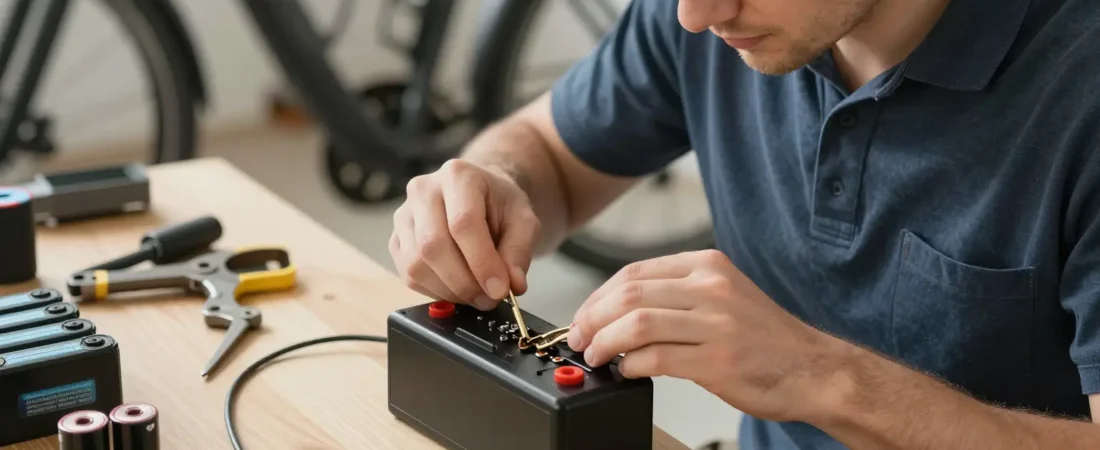
Introduction to Ebike Lithium Battery Repair for Business Owners
In today’s rapidly evolving transportation landscape, the demand for sustainable and eco-friendly options has never been greater. For business owners, electric bikes (ebikes) represent not only a green alternative to traditional vehicles but also a booming market opportunity. Central to the operation of these ebikes is the lithium battery, a critical component that powers these efficient machines. However, like all batteries, lithium ebike batteries degrade over time, impacting performance and range.
Understanding and investing in ebike lithium battery repair is vital for businesses looking to capitalize on this growing trend. Repairing rather than replacing batteries extends their lifespan, reduces operational costs, and aligns with broader environmental goals by minimizing waste. This aspect of ebike maintenance is quickly becoming an essential service, especially in urban areas where the adoption of sustainable transport solutions is accelerating.
By offering lithium battery repair services, business owners can meet the rising consumer demand for reliable, affordable ebike solutions and reinforce their commitment to sustainability. Embracing these repair services not only supports a circular economy but also positions businesses at the forefront of the green transportation revolution.
To explore more about the latest in electric bike technology and upgrades, check out resources like the Surron Storm Bee Battery Upgrade for innovative battery solutions.
- Long Charging Times: Lithium batteries can take several hours to charge fully, which can affect operational efficiency.
- Loss of Capacity: Over time, batteries lose their ability to hold a charge, often after 800 to 1,000 charge cycles, leading to less range on each ride.
- Degradation Due to Improper Maintenance: Neglecting battery maintenance, such as not storing it properly or letting it discharge completely, can significantly reduce lifespan.
- Temperature Sensitivity: Extreme heat or cold can affect battery performance and longevity, leading to potential failure during use.
- Cost of Replacement: As batteries degrade, the cost of replacing them can be a financial burden for businesses.
- Risk of Fire: Faulty or damaged batteries pose a fire hazard, requiring careful monitoring and storage.
- Weight Impact: Batteries add considerable weight to the bike, which can affect handling and require adjustments for balance.
For more insights and detailed maintenance tips on ebike lithium batteries, check this guide.
If you’re looking for specific issues regarding capacity loss, studies indicate that typical ebike batteries last between 3 to 5 years, experiencing significant capacity reductions after extensive use. As such, awareness and proactive approaches can mitigate many of these challenges.
Regular battery maintenance is crucial for the performance and longevity of electric bikes. Neglecting this can lead to inefficiencies and decreased battery lifespan.
Reasons for Battery Repair
Repairing eBike lithium batteries instead of replacing them presents significant financial and environmental benefits that are particularly relevant for business owners in the eBike industry. As the market for electric bicycles continues to grow, understanding these benefits can lead businesses to make more sustainable and economically sound choices.
Financial Benefits
-
Cost Savings: The most immediate benefit of repairing lithium batteries is the cost savings involved. A new lithium battery can cost anywhere from $400 to $1,200, depending on the model and capacity. In contrast, repairs often cost significantly less. For instance, a typical repair might only cost $100 to $300, allowing for substantial savings while extending the battery’s lifespan.
-
Extended Battery Life: Regular repairs can prolong the life of lithium batteries, meaning businesses can maximize their investments over time. This translates to lower operational costs as batteries are not constantly being replaced.
-
Competitive Advantage: Businesses that offer repair services distinguish themselves in a market that increasingly values sustainability. By promoting battery repairs, companies can attract environmentally conscious customers and enhance their brand reputation.
Environmental Benefits
-
Reduced Waste: The production and disposal of lithium batteries contribute significantly to waste in landfills. By opting to repair rather than replace, businesses can help reduce this waste and minimize their environmental footprint. Studies indicate that less than 5% of lithium-ion batteries are currently recycled, underscoring the need for sustainable practices in battery management.
-
Resource Conservation: Lithium batteries require extensive resources, including lithium, cobalt, and nickel. Repairing existing batteries helps conserve these valuable materials and reduces the demand for new mining operations, which can have harmful ecological impacts.
-
Sustainability Goals: As more consumers and corporations prioritize sustainability, repairing batteries aligns with these values. This commitment not only helps the environment but can also lead to improved customer loyalty.
Supporting Local Economies
Repairing batteries fosters local economies by creating jobs in the repair sector. Many businesses might choose to establish partnerships with local repair shops rather than outsource to manufacturers far away. This boosts the local economy and supports community-driven initiatives.
In conclusion, the financial savings and environmental benefits of repairing eBike lithium batteries make it a compelling choice for business owners. By adopting repair practices, businesses can enhance their sustainability efforts, lower costs, and contribute positively to their communities. Learn more about sustainable practices in your business.
Comparison Table: Repair vs. Replacement of E-Bike Lithium Batteries
| Criteria | Repair | Replacement |
|---|---|---|
| Average Cost | $100 – $300 | $600 – $1,500 |
| Lifespan After Service | 1 – 2 years | 3 – 5 years |
| Frequency of Service | Every 1-2 years | Every 3-5 years |
| Potential Savings | Lower initial costs | Higher upfront but lasts longer |
| Environmental Impact | More eco-friendly (reuses parts) | Wasteful if old battery is discarded |
| Warranty | Typically no warranty | Usually comes with warranty |
| Downtime | Less (usually a few hours) | More (can take days to receive new battery) |
Comprehensive Maintenance Guide for eBike Lithium Batteries
Maintaining lithium batteries in eBikes is essential for ensuring longevity and optimal performance, especially for business owners looking to provide customers with quality products. Below is a step-by-step guide on how to properly care for these essential components.
1. Understanding Lithium Batteries
Lithium-ion batteries are widely used in electric bikes due to their high energy density and longevity, which contributes to longer ride times. However, improper care can lead to decreased performance and lifespan of the battery. For businesses, understanding how to maintain these batteries is key to delivering excellent service and reliability.
2. Optimal Charging Practices
- Charge Regularly: Charging your battery regularly helps maintain its life. Aim to keep the battery between 20% and 80% charged instead of letting it deplete completely.
- Avoid Deep Discharge: Never allow the battery to drop below 20%, as this can harm the cells. Lithium batteries do not need to be fully discharged before recharging.
- Use the Right Charger: Always use a charger that is designed for your specific battery type to avoid overcharging and voltage issues.
- Don’t Overcharge: Disconnect the charger once the battery is fully charged to prevent damage from overvoltage.
3. Temperature Control
- Store in a Cool Place: High temperatures can degrade battery performance. Store batteries in a dry, cool place, ideally between 20° and 25° Celsius (68° to 77° Fahrenheit).
- Avoid Extreme Temperatures: Protect the battery from extreme heat or cold conditions. Long exposure to such temperatures may permanently damage the battery lifespan.
4. Regular Maintenance
- Clean Contacts: Ensure the battery contacts are clean and free of dirt or corrosion to maintain good conductivity. This is crucial for safe battery performance.
- Check Connections regularly: Inspect the connections and connectors for wear and tear. This helps in identifying issues early before they escalate into significant problems.
- Firmware Updates: Keep your eBike’s firmware updated. Regular updates can improve battery management systems and performance.
5. Cycling the Battery
- Regular Use: Encourage users to ride their eBikes regularly. Lithium batteries benefit from regular cycling, which keeps them healthy. If the bike is not used for long periods, consider charging it at least once every few months.
- Partial Discharges: Instead of deep discharges, practice partial discharges. This means riding the bike until it reaches around 20-30% capacity before recharging again.
6. Prolonging Lifespan
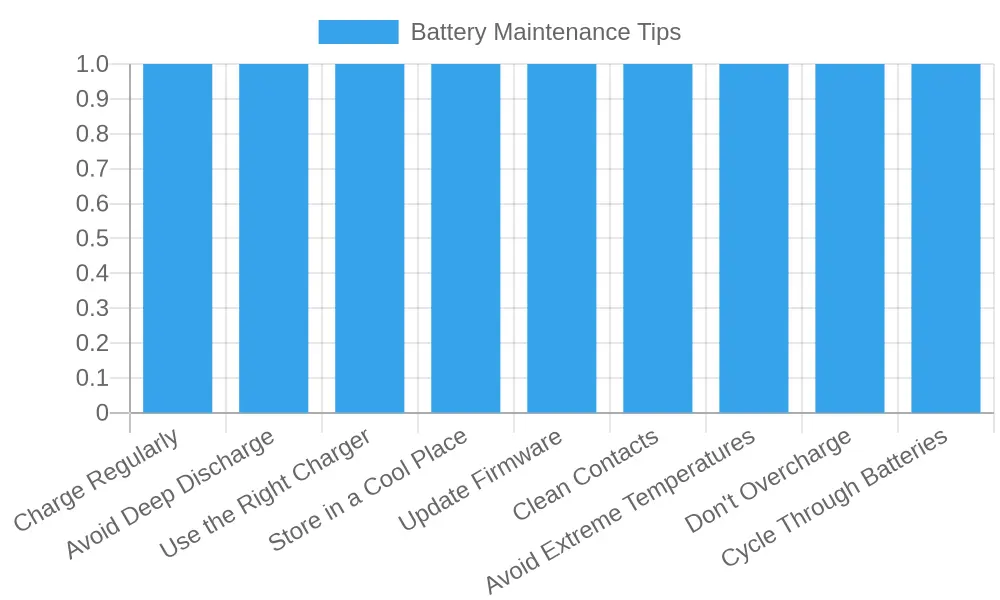
Following these maintenance guidelines can help prolong the life of eBike batteries:
| Tip | Description |
|---|---|
| Charge Regularly | Keep the battery charged between 20% and 80% to extend lifespan. |
| Avoid Deep Discharge | Never let the battery drop below 20% to prevent damage. |
| Use the Right Charger | Always use the charger specified by the manufacturer. |
| Store in a Cool Place | Keep the battery in a cooler environment to prevent overheating. |
| Update Firmware | Regularly update your bike’s firmware for optimal performance. |
| Clean Contacts | Ensure the battery contacts are clean for better conductivity. |
| Avoid Extreme Temperatures | Protect the battery from extreme heat and cold to maintain performance. |
| Don’t Overcharge | Unplug the battery once it’s fully charged to avoid overvoltage issues. |
| Cycle Through Batteries | Regularly use your battery to keep it healthy, even if not cycling daily. |
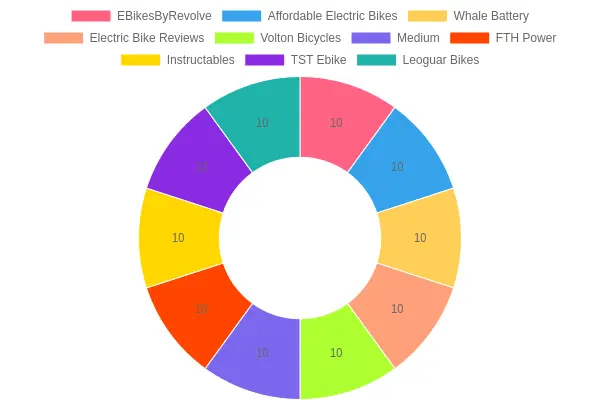
Sources: Ebike Battery Maintenance, Bicycle Magazine Tips, Electric Bike Company
Conclusion
Maintaining lithium batteries in eBikes not only enhances performance but also improves the overall longevity of the bike. Adhering to these maintenance practices ensures that your business can continue to provide families and commuters with reliable and efficient transportation options. For more information on electric bike batteries and accessories, don’t hesitate to visit Surron eBike Shop USA.
Conclusion
The importance of lithium battery repair services cannot be overstated in the realm of electric bike usage. As the demand for sustainable transportation solutions continues to grow, business owners must prioritize not only the sale of ebikes but also the maintenance and repair of their components, particularly the lithium batteries. This not only prolongs the lifespan of the products but also significantly reduces environmental impact by minimizing battery waste.
Choosing to invest in repair services showcases a commitment to sustainability and responsible business practices. It allows businesses to support the circular economy, promoting recycling and reducing reliance on new battery production. Additionally, educating customers about the value of proper battery care can enhance customer loyalty and satisfaction, knowing their investments are protected and their environmental footprint is minimized.
As consumers become more aware of sustainability issues, businesses can gain a competitive edge by offering comprehensive repair and maintenance services. Adopting these practices not only aligns with consumer values but is also essential for building a more sustainable future for all. To explore more about enhancing your ebike business, learn more here.
Effectiveness of Regular Repairs on Battery Lifespan
Understanding the impact of regular repairs on the lifespan of lithium batteries is crucial for business owners in the ebike industry. This chart demonstrates how regular maintenance can significantly extend battery life compared to neglect:
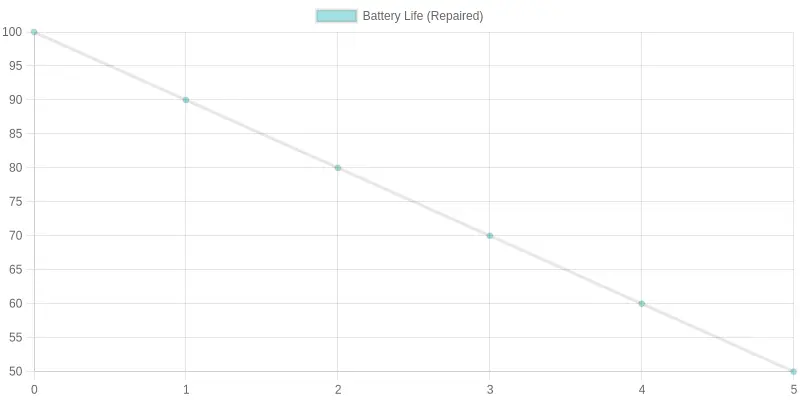
Key Insights:
- Regular Repairs Impact: Regular maintenance can extend battery life significantly.
- Neglect Impact: Lack of maintenance leads to a rapid decline in battery life, impacting overall performance and profitability.
This data provides a clear visual representation of the importance of maintenance in prolonging battery efficiency and lifespan for ebikes, directly affecting customer satisfaction and business outcomes. For more detailed insight on battery maintenance, check out our article on battery basics.