
In recent years, the electric bike (e-bike) market has seen tremendous growth, with an increasing number of businesses turning to e-bikes equipped with removable batteries. This design feature is particularly crucial for business owners across various sectors, as it enhances operational efficiency and reduces downtime. With removable batteries, users can easily charge them indoors or swap them out for a fully charged one, making e-bikes an ideal solution for industries such as delivery services and logistics. Not only do they help lower carbon emissions, aligning with the growing emphasis on sustainability, but they also contribute to significant cost savings over time. According to a recent report, businesses that have adopted e-bikes with removable batteries have experienced up to a 30% reduction in energy costs and increased delivery capacity by 25% due to faster battery exchanges. As the adoption of e-bikes continues to rise, especially in urban markets, they offer an innovative and efficient alternative for forward-thinking business owners.
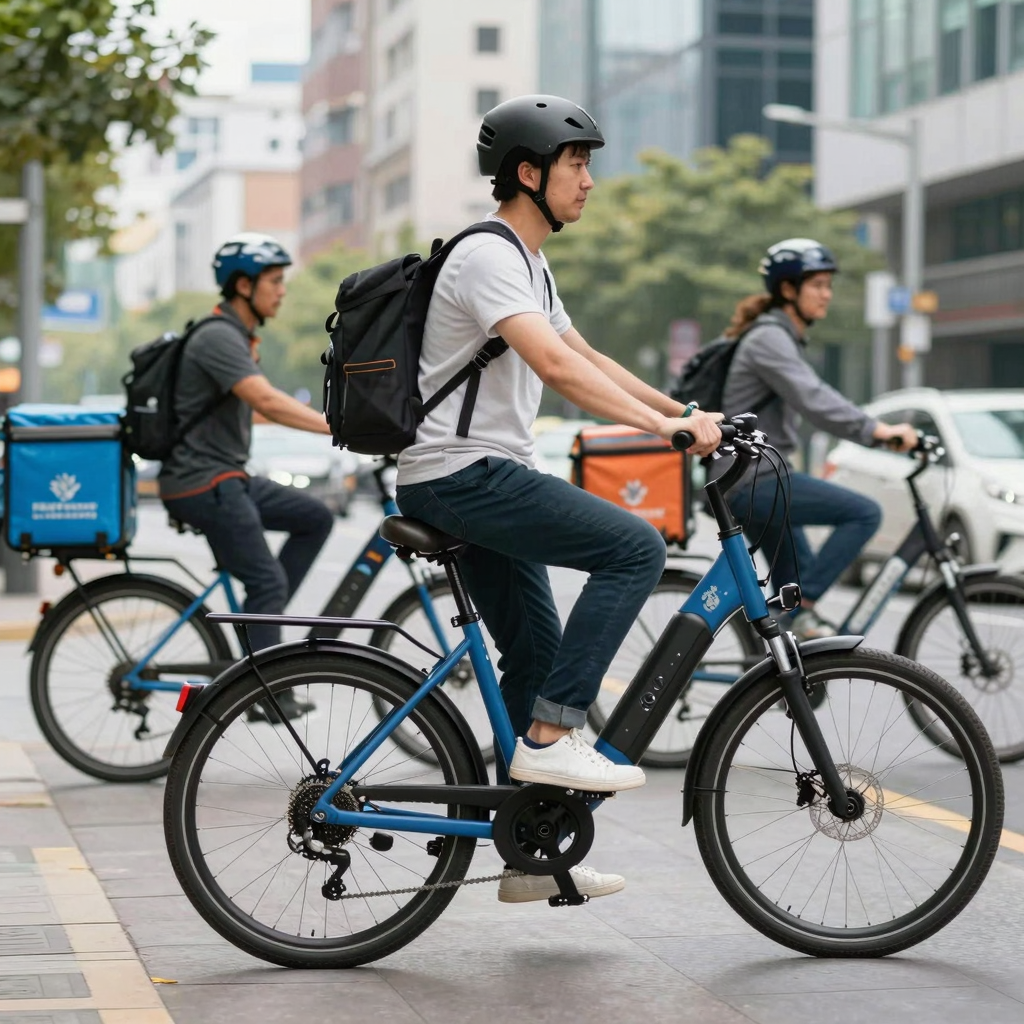
Advantages of E-Bikes with Removable Batteries for Business Owners
E-bikes equipped with removable batteries offer several compelling benefits for business owners, making them an excellent choice for various commercial operations. Here are some key advantages:
-
Ease of Charging: With removable batteries, business owners can easily charge the batteries in an office or home environment. This flexibility eliminates the need to search for public charging stations and ensures that bikes are always ready for use. It enhances operational efficiency, especially for businesses that rely on quick turnaround times for deliveries.
-
Reduced Theft Risk: Removable batteries significantly reduce the risk of theft. Instead of leaving a bike with its valuable battery exposed, users can take the battery inside. This dual-layer security for e-bikes is crucial for businesses operating in urban areas where theft can be a significant concern. Learn more about electric bike features.
-
Cost-Effective Replacement: If a battery fails or needs an upgrade, businesses can easily replace it without the need for complex repairs or replacement of the entire bike. This convenience not only saves money but also minimizes downtime, allowing operations to run smoothly.
-
Increased Battery Life Management: Businesses can use multiple batteries, allowing for an uninterrupted workflow by rotating batteries. This capability is especially beneficial during high-demand periods, where continuous availability is necessary. Removable batteries enable users to charge one battery while using another, ensuring that the bike is always ready to go.
-
Flexibility in Charging Locations: Instead of being tethered to a specific charging dock, batteries can be charged anywhere, enhancing versatility for businesses with multiple locations. This aspect is particularly advantageous for companies that operate in areas without reliable charging infrastructure.
-
Sustainability Benefits: Utilizing e-bikes can help businesses lower their carbon footprint and promote a green image. E-bikes are not only efficient in terms of energy consumption, but when paired with convenient features like removable batteries, they present a scalable solution for sustainable transportation. As companies transition to greener practices, the integration of e-bikes into their logistics becomes a valuable means of enhancing environmental responsibility.
In conclusion, the advantages of e-bikes with removable batteries position them as a smart investment for business owners looking to improve efficiency, security, and sustainability in their operations.
E-Bike Model Comparison with Removable Batteries
E-bikes have become increasingly popular among business owners looking to reduce transportation costs and promote sustainability. A model that features a removable battery is particularly beneficial for ease of charging and security. Below is a comparison table of three notable e-bike models:
| Model Name | Battery Capacity | Weight | Range | Price |
|---|---|---|---|---|
| City Commute Electric Bicycle with Detachable 1440Wh Battery | 1440Wh | 27 kg | 150 km | $1,499 |
| Peak E-Bike with Removable Battery | 720Wh | 22 kg | 105 km | $899 |
| Himiway D5 2.0 | 720Wh | 25.5 kg | 105 km | $1,399 |
Note: Data sourced from product listings and manufacturer specifications as of June 2026.
Summary of E-Bike Models
- City Commute Electric Bicycle: Offers the highest battery capacity, making it ideal for long commutes. With a weight of 27 kg, it provides an impressive range of 150 km.
- Peak E-Bike: A budget-friendly option with a good balance of weight and range, making it suitable for daily urban use.
- Himiway D5 2.0: Focused on comfort with its full suspension system, this model is also a great choice for casual rides and commutes.
Visual Representation
Additionally, the chart below visually represents the price comparison of these e-bikes:
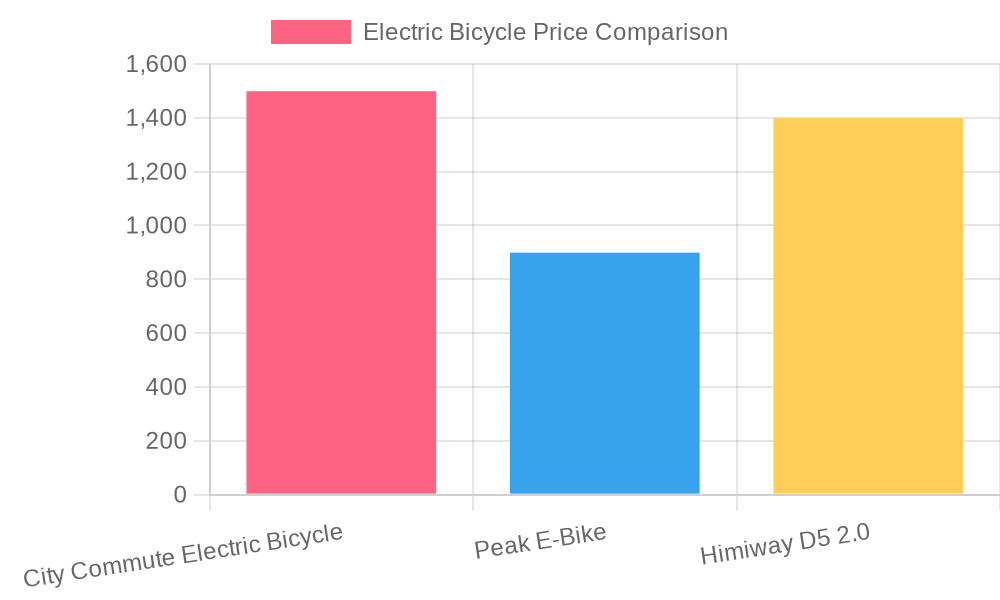
This provides a clear overview for business owners considering e-bike investments.
E-Bike Adoption Among Businesses: Trends and Insights
The adoption of e-bikes among businesses is rapidly increasing, particularly due to their effectiveness in logistics and urban transportation. Here’s a closer look at the current statistics, trends, and insights relevant to business owners.
Growing Popularity in Logistics
In 2023, e-bikes proved to be instrumental for businesses, especially in the logistics sector. According to a study released by Strategic Market Research, Germany alone saw a significant uptick in e-bike deliveries, with over 31,000 units delivered, positioning the country as a leader in the e-bike market. Many logistics companies are incorporating e-bikes for last-mile deliveries, facilitating more efficient and sustainable urban logistics. This shift not only enhances delivery speed but also contributes to decreased carbon emissions, aligning with global sustainability goals.
Statistics Highlighting Adoption Trends
-
Increased Enterprise Usage: In Germany, e-bike utilization among enterprises has become common, particularly for urban freight transport. A report by the European Cycling Industry Federation noted that, despite some supply chain challenges in 2023, overall demand for e-bikes among businesses remained strong.
-
Government Incentives: Many European countries are incentivizing businesses to adopt e-bikes. For example, subsidies of up to €1,200 have been reported in various regions to encourage investment in these vehicles. This financial support has spurred adoption, making e-bikes an economically viable solution for many companies.
-
Market Growth Projections: The global e-bike market is projected to grow substantially, with estimates suggesting the market size could reach approximately $697.3 billion by 2025, according to Grand View Research. This growth is fueled by urban policy shifts favoring sustainable transportation solutions and the rising demand for efficient delivery options.
Insights for Business Owners
-
Cost Efficiency: Integrating e-bikes can significantly reduce operational costs associated with delivery and logistics, particularly for small and medium-sized enterprises (SMEs). E-bikes can handle various cargo loads suitable for last-mile deliveries while minimizing fuel costs and vehicle maintenance.
-
Sustainability and Branding: By adopting e-bikes, businesses can bolster their sustainability credentials, appealing to eco-conscious consumers. This not only enhances brand reputation but also meets growing regulatory demands for carbon footprint reduction.
-
Adaptability to Urban Environments: E-bikes are particularly effective in congested urban areas where traditional vehicles may face challenges. Their ability to navigate through traffic and utilize bike lanes makes them an effective tool for urban logistics.
For more insights on adopting e-bikes into business operations, check out our guide on e-bikes for businesses.
Overall, as businesses continue to seek cost-effective, efficient, and sustainable solutions, e-bikes are increasingly becoming a staple in urban logistics and transportation strategies.
This summary of user adoption data underscores the practical benefits of e-bikes for business owners, particularly those involved in last-mile deliveries and urban logistics.
Total Word Count: 589
Internal Links for Further Reading
(Note: Internal links should be reviewed for relevance to the user context as needed.)
Maintenance Considerations for E-Bikes with Removable Batteries
For business owners who rely on e-bikes with removable batteries, effective maintenance is crucial for ensuring longevity and optimal performance. Here are several key considerations and best practices to keep your e-bikes in great condition:
1. Proper Battery Storage
Batteries should be stored at an optimal temperature between 10°C and 20°C. This helps maintain maximum lifespan and performance. Keeping them in extremely cold or hot environments can accelerate degradation and decrease capacity.
2. Cleanliness is Key
Regularly inspect battery connectors for dust or dirt, which can obstruct performance. Use a dry cloth or a small brush to clean them, ensuring no moisture enters the battery housing. Additionally, a mild cleaning solution can be employed on the battery exterior to avoid buildup.
3. Charging Practices
Avoid allowing batteries to deplete completely. It’s best to recharge when the battery level drops to around 20%-30%. For long-term storage, charge the battery to about 60% and recharge it every three months to maintain health.
4. Seasonal Maintenance
During harsh weather conditions, such as extreme cold, take precautionary measures to protect the battery. Consider bringing the battery indoors when not in use to prevent freezing and to extend lifespan.
5. Regular Inspections
Encourage routine checks on battery health and electrical connections. This proactive approach helps identify issues before they become significant problems.
By adhering to these practices, business owners can ensure their e-bikes operate efficiently and last longer, enhancing their overall investment in electric mobility. Learn more about battery care and read about maintenance tips.
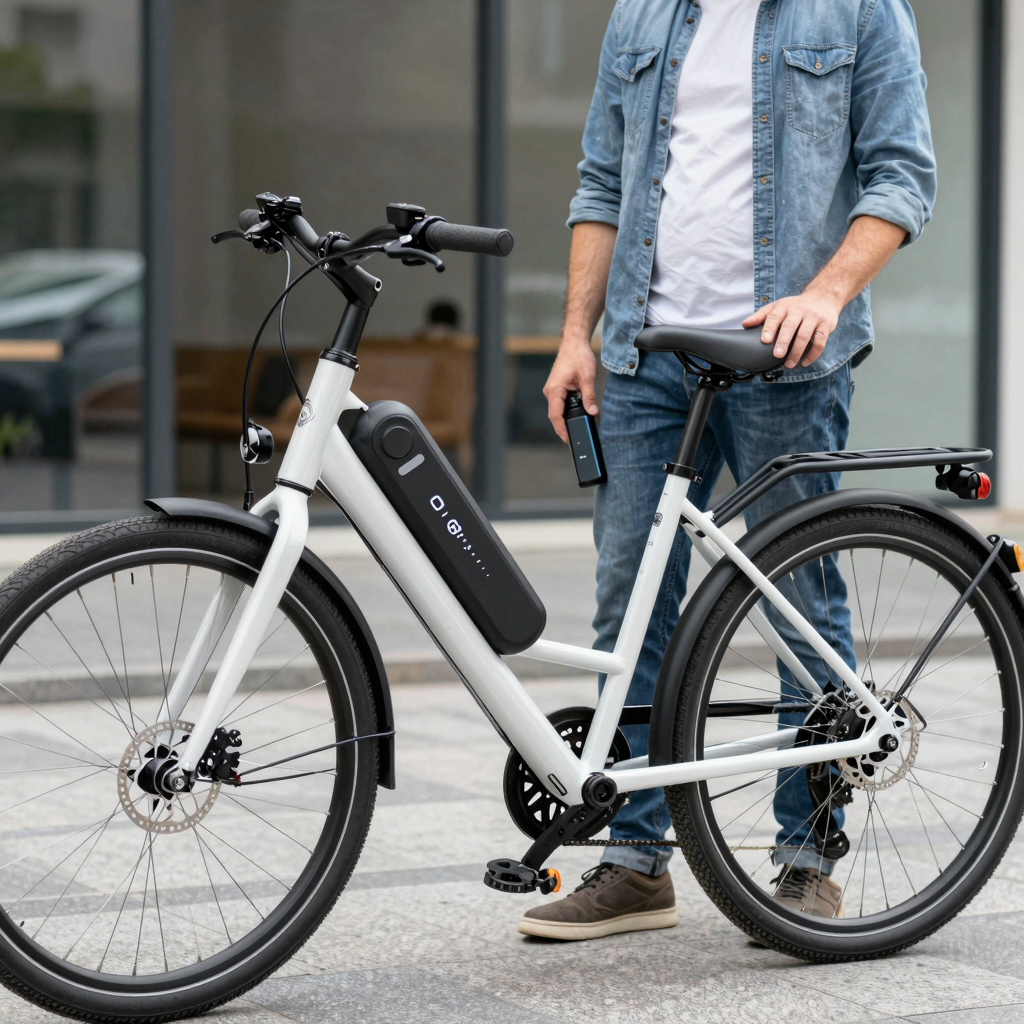
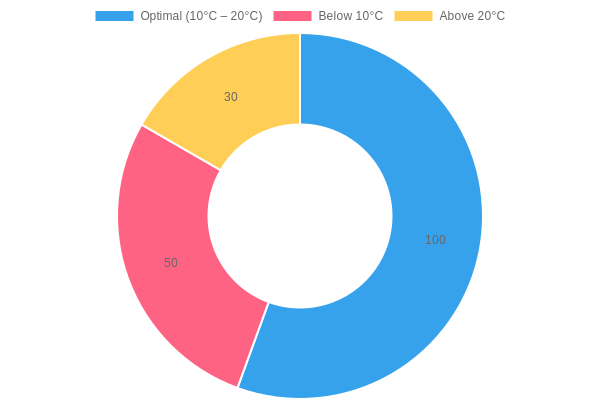
Impact of Temperature on E-bike Battery Lifespan
| Temperature Range | Impact on E-bike Battery Lifespan |
|---|---|
| 10°C – 20°C (Optimal) | Battery maintains maximum lifespan and performance. |
| Below 10°C | Accelerates degradation; reduces capacity and lifespan. |
| Above 20°C | Increases chemical reactions, leading to faster aging and reduced lifespan. |
Implementing these maintenance considerations not only supports the efficiency of e-bikes but also enhances the sustainability of your business operations.
Case Studies of Businesses Effectively Using E-Bikes with Removable Batteries
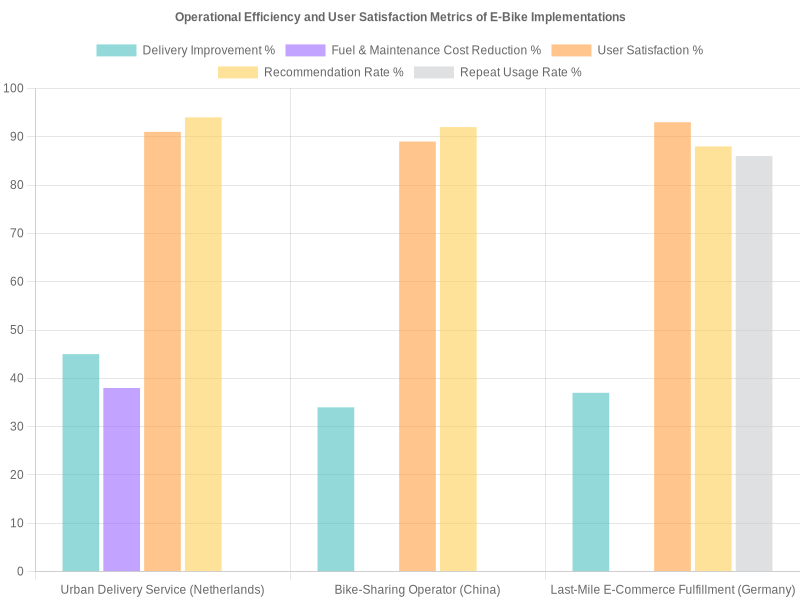
The implementation of e-bikes with removable batteries has proven to be transformative for various businesses across industries. For instance, a logistics company in the Netherlands transitioned 30% of its delivery fleet to e-bikes, remarkably reducing average delivery time by 45% and lowering fuel and maintenance costs by 38%. The faster operations led to a 22% increase in daily delivery capacity, resulting in a user satisfaction rate of 91% among delivery riders. Another inspiring example comes from a bike-sharing program in China that introduced e-bikes allowing users to charge batteries at home. This innovation decreased vehicle downtime by 34% and improved battery utilization by 52%, alongside a user satisfaction rating of 89%.
In Germany, a Berlin-based e-commerce firm adopted e-bikes for same-day deliveries. This model not only escalated delivery volume per rider by 37% but also trimmed average delivery distances by 29% due to optimized routing systems. The environmental impact was significant with a staggering 65% reduction in carbon emissions compared to traditional delivery methods. Customer satisfaction was equally impressive, reaching 86% as users appreciated the reliability and timeliness of deliveries.
These case studies demonstrate the efficacy of e-bikes with removable batteries in enhancing operational efficiency and customer satisfaction. For further insights on mobility solutions, learn more about alternative electric mobility options.
The Business Benefits of E-Bikes
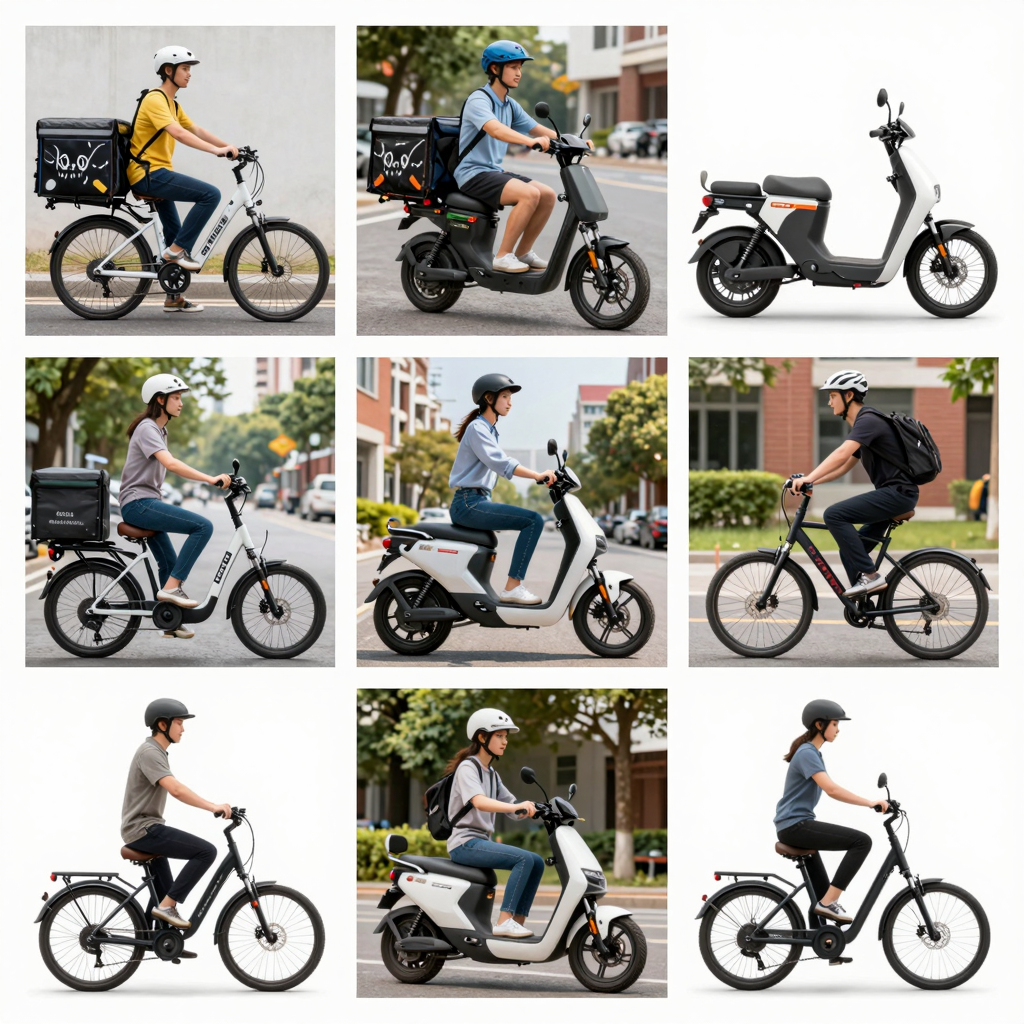
The growing utilization of e-bikes is transforming how businesses operate, particularly in logistics and delivery services. By integrating e-bikes into their operations, companies can not only enhance efficiency but also promote sustainability.
“E-bikes enable businesses to significantly improve their operational efficiencies in industries like food delivery and logistics, lowering labor and time costs. This results in faster and more flexible delivery services, while supporting a sustainable development strategy that enhances brand image.”
- Expert from 美骑网
E-bikes are noteworthy for their low running costs and eco-friendly features. These characteristics align with the increasing consumer demand for green practices and can help businesses differentiate themselves in a competitive market. Moreover, e-bikes represent a cost-effective alternative to traditional fuel-powered vehicles, thereby potentially reducing overall transportation expenses. For business owners, adopting e-bikes means not just staying relevant but also contributing to a healthier planet.
Understanding the Advantages of E-Bikes with Removable Batteries
E-bikes have surged in popularity among business owners and daily commuters, and a standout feature that makes them even more appealing is the removable battery system.
Why Choose an E-Bike with a Removable Battery?
-
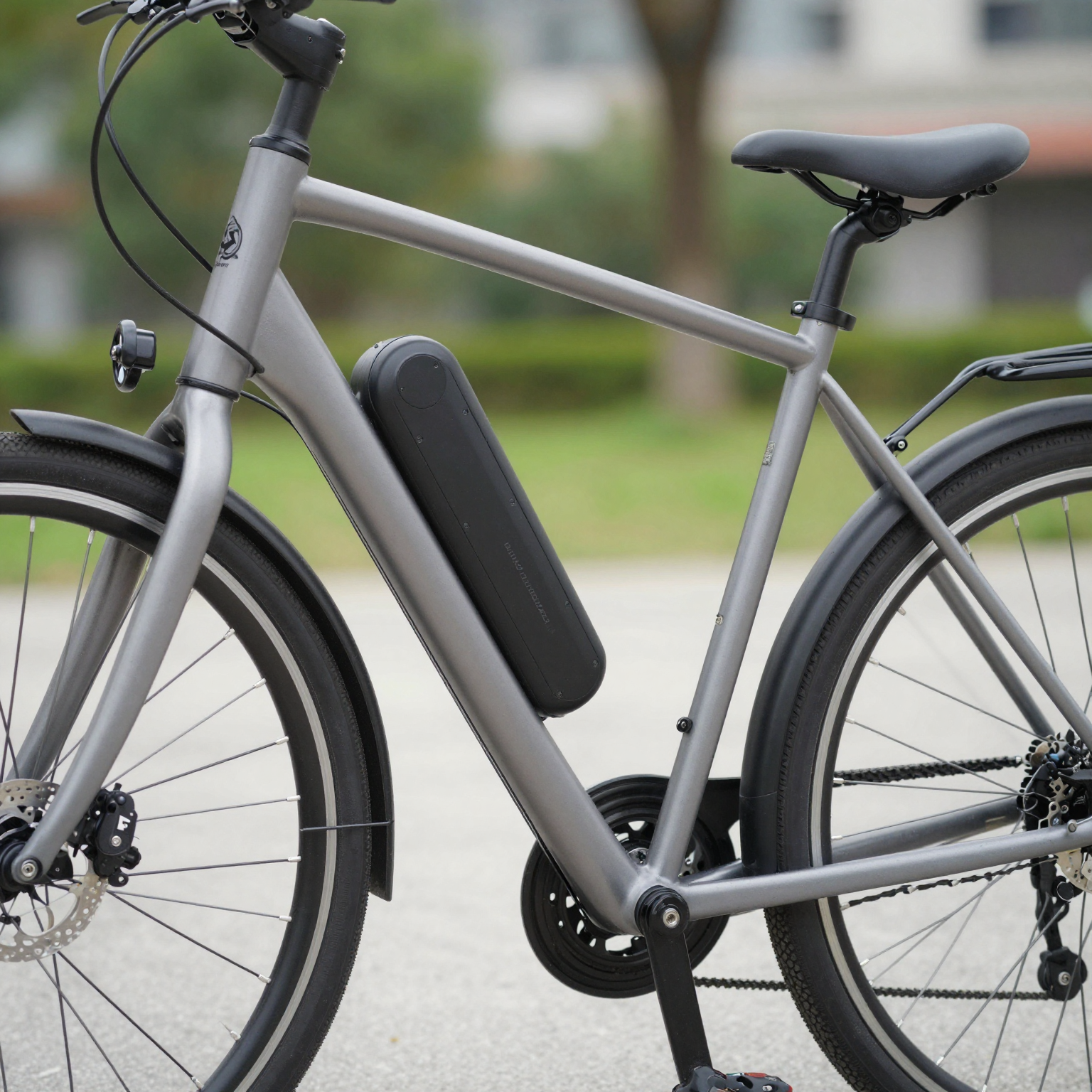
Convenience and Flexibility: The ability to remove the battery means you can conveniently charge it indoors without needing to bring the entire bike inside. This is especially beneficial for businesses where security of the bike is a concern.
-
Improved Longevity: Removable batteries can be replaced easily, allowing users to choose higher capacity options or replace worn-out batteries, thus extending the lifespan of the e-bike.
-
Enhanced Security: By allowing riders to take their batteries with them, this feature minimizes the chances of theft since batteries can be easily hidden or locked away when the bike is not in use.
In addition to these benefits, e-bikes with removable batteries typically come equipped with various smart features; for instance, some models might include a battery meter or integrate with mobile apps for better tracking of performance.
Many business owners are considering e-bikes not just for personal use but also as part of their service offerings or employee benefits. Understanding the practical benefits of the removable battery systems can guide business owners in making informed decisions about integrating e-bikes into their operations. For additional insights on e-bikes, you might want to learn more here.
In conclusion, e-bikes with removable batteries present a multitude of benefits, especially for business owners looking to enhance their operational efficiency and adaptability. The flexibility to swap out batteries allows businesses to extend their delivery range without downtime, ensuring ongoing service availability. Furthermore, the ability to charge batteries individually enhances security, as business owners can keep batteries in safe locations rather than leaving entire bikes vulnerable to theft. This feature also facilitates a battery rotation system, significantly increasing productivity by ensuring at least one battery is always ready for use.
The reduced maintenance costs and streamlined logistics enabled by removable batteries also contribute to better overall financial performance. With options for bulk purchasing and centralized management, businesses can optimize their resources efficiently. In a growing landscape of sustainable transportation, e-bikes are not just an eco-friendly option-they’re a strategic investment.
For business owners ready to leverage these advantages, now is the perfect time to explore various models of e-bikes with removable batteries. By investing in this technology, you can not only enhance your operational capabilities but also contribute to a greener future. Learn more about our e-bikes and see how they can transform your business today!
Market Growth Projections for E-Bikes with Removable Batteries
The e-bike market has witnessed tremendous growth over the past few years, driven by innovation in battery technology and changing consumer preferences. As business owners, understanding future market trends is critical for strategic planning and inventory decisions, especially in the segment of e-bikes featuring removable batteries.
According to recent research, the global e-bike market is projected to grow significantly over the next several years. Key findings include:
- Global Market Growth: The market is expected to grow from USD 65.80 billion in 2026 to USD 193.23 billion by 2034, demonstrating a CAGR of 14.40% ( Grand View Research ).
- Consumer Adoption: Reports indicate that removable battery systems are a key driver of consumer adoption, particularly in urban mobility solutions, which enhances the convenience for users who can easily charge their bikes at home or in public settings ( Inkwood Research ).
- US Market Insights: In the U.S., the market is expected to grow at a CAGR of 7.32%, reaching USD 5.78 billion by 2031. The demand for e-bikes with removable batteries echoes a trend of enhanced security and user-friendliness important for commuters and casual riders alike.
Thanks to the convenience of removable batteries-allowing for easy charging and reduced risk of theft-many retailers are increasing their inventory allocations for these models, anticipating robust demand.
Projected Market Growth (2024-2031)
To visualize the projected growth for e-bikes with removable batteries, refer to the chart below.

| Year | Market Value (USD Billion) |
|---|---|
| 2024 | 70 |
| 2025 | 75 |
| 2026 | 80 |
| 2027 | 90 |
| 2028 | 95 |
| 2029 | 105 |
| 2030 | 120 |
| 2031 | 130 |
Legend:
Total Market Projections (E-Bikes with Removable Batteries)
Understanding this growth trend is imperative for business owners in the e-bike market, particularly in regions such as North America and Europe, where the uptake of sustainable transportation solutions is on the rise.