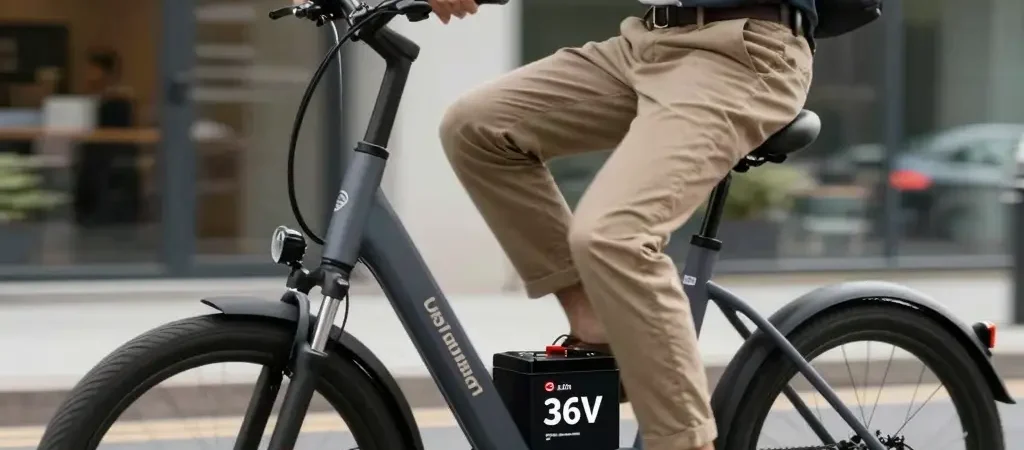
Introduction to 36V Lithium Ebike Batteries for Business Owners
In the rapidly evolving world of electric mobility, the push toward sustainable transportation solutions has never been more significant. For business owners, staying ahead of the curve means investing in efficient and reliable technology. Enter the 36V lithium ebike battery-a game-changing advancement that not only enhances the performance of electric bikes but also promises substantial benefits for businesses aiming to improve operational efficiency and customer satisfaction.
The relevance of 36V lithium ebike batteries lies in their lightweight design and high energy density, which translates into longer rides with fewer concerns about running out of power. Businesses can offer their customers enhanced mobility solutions that are both eco-friendly and cost-effective. In this article, we’ll explore the myriad benefits of adopting 36V lithium ebike batteries, from extended battery life and faster charging times to their lower environmental impact compared to traditional lead-acid batteries. These innovative batteries are not just an investment in technology; they are a strategic move toward sustainability and efficiency in today’s green economy. Join us as we delve deeper into how these advanced battery systems can revolutionize your business and elevate your offerings. To discover more about our ebike range, visit our shop today!
Moreover, embracing the latest trends in electric mobility can provide a competitive edge. With consumer demand for eco-conscious products on the rise, incorporating 36V lithium ebike batteries into your business model could not only attract a wider clientele but also foster brand loyalty in an increasingly environmentally-aware market. Let’s embark on this journey of innovation and sustainability together!
Key Benefits of 36V Lithium eBike Batteries for Businesses
Choosing 36V lithium eBike batteries offers a range of advantages that can significantly benefit businesses, especially those relying on electric mobility solutions. Here are the most noteworthy benefits:
-
High Efficiency: 36V lithium batteries provide high energy density, translating into better performance and longer rides on a single charge. This characteristic enhances the overall efficiency of eBikes, making them ideal for commercial uses such as deliveries or commuting.
-
Longevity: These batteries often have a lifespan of up to 500 charge cycles, allowing businesses to make fewer replacements and reducing operational costs over time. For more insights on battery longevity and best practices, check this overview on lithium battery lifespan.
-
Cost Savings: With fewer charge cycles and longer life, businesses can save on replacement costs. 36V batteries are typically more affordable than higher voltage options while still delivering adequate power for urban commuting, making them a cost-effective choice for many companies (learn more about cost benefits).
-
Lightweight Design: Compared to traditional lead-acid batteries, lithium variants are lighter, thus improving the performance and handling of eBikes. This lightweight nature translates to more efficient transportation.
-
Maintenance-Free: Lithium batteries generally require less maintenance than other types, freeing up time and resources for businesses. This is particularly essential for operations that rely on consistent performance without extensive downtime.
-
Eco-Friendly Option: Lithium batteries reduce environmental impact compared to their lead-acid counterparts, aligning well with businesses aiming for sustainability in their operations.
-
Fast Charging: Many 36V lithium batteries offer faster charging times, allowing for quick recharges and minimal downtime. This is a significant advantage in a fast-paced business environment.
By adopting 36V lithium batteries, businesses can enhance operational efficiency, save on costs, and promote environmentally sustainable practices.
When it comes to 36V lithium ebike batteries, understanding performance metrics such as charge cycles and energy density is crucial for business owners in the electric bike industry. These metrics directly influence operational efficiency, product longevity, and overall customer satisfaction.
Charge Cycles
Charge cycles refer to the number of complete charge and discharge events a battery can undergo before its capacity significantly degrades. Most high-quality 36V lithium batteries offer an impressive lifespan of over 1000 charge cycles. For instance, a 36V 10Ah lithium battery can maintain about 80% of its initial capacity after these cycles, which is particularly notable compared to traditional lead-acid batteries that often offer fewer cycles.
This endurance means that businesses can benefit from lower replacement costs and improved customer trust, as customers appreciate long-lasting and reliable batteries. According to Erie Insurance, lithium-ion batteries can provide over 4,000 charge cycles in some applications, underlining their efficiency and minimizing operational costs for businesses.
Energy Density
Energy density measures how much energy a battery can store for a given weight or volume. Higher energy density allows electric bikes to travel longer distances on a single charge, contributing to user convenience and satisfaction. 36V lithium batteries typically boast an energy density substantially higher than that of lead-acid batteries, often ranging around 150-250 Wh/kg. This means that manufacturers can offer lighter bikes with better performance.
The benefits of high energy density are not only felt by end-users; businesses also gain from the ability to produce lighter, more efficient products. This factor enhances market competitiveness, as users are increasingly looking for ebikes that offer longer runtimes without requiring extensive recharging periods. Furthermore, as noted by Super Handy US, lithium batteries support clean energy efforts and can help companies enhance brand reputation.
Conclusion
In conclusion, the performance metrics of 36V lithium ebike batteries-such as their extensive charge cycles and high energy density-are vital for both business operations and consumer satisfaction. These features enable companies to reduce costs, improve product performance, and cater to a growing market of environmentally conscious consumers. Investing in high-quality batteries can lead to substantial long-term benefits for businesses in the electric mobility sector.
Growth Trends in the 36V Lithium eBike Battery Market
The eBike battery market, particularly for 36V lithium batteries, has been witnessing significant growth and demand in recent years. Here are some detailed insights into the trends and trajectories of this dynamic sector:
Market Overview
The global demand for eBike lithium batteries is set to witness remarkable growth. As per recent studies:
- The eBike lithium battery market is projected to increase from USD 10 billion in 2023 to USD 20.5 billion by 2032, with a Compound Annual Growth Rate (CAGR) of 8.2% during this period (DataIntelo).
- For 2022, the eBike battery pack market was valued at USD 9.03 billion and is expected to reach USD 27.95 billion by 2031, showcasing a robust CAGR of 13.61% (GlobeNewswire) .
- The total global battery manufacturing in 2023 reached approximately 2.5 TWh, with an impressive addition of 780 GWh of capacity in just one year, indicative of rapid advancements in the battery ecosystem (Market.us).
Sales Projections
The growth in battery sales particularly for the 36V variants can be illustrated as follows:
| Year | Projected Sales (Millions of Units) | Source |
|---|---|---|
| 2020 | 9 | MarketUp |
| 2021 | 12 | MarketUp |
| 2022 | 15 | MarketUp |
| 2023 | 18 | MarketUp |
| 2024 | 22 | MarketUp |
| 2025 | 27 | MarketUp |
The projection indicates a steady increase in popularity and utilization of 36V lithium batteries, which support various e-bike models, making them a critical part of the market.
Market Demand Insights
36V lithium batteries are well-regarded for their balance between power output and weight, most often used in medium-sized e-bikes and scooters. Their specifications often include:
- Energy Density: High, providing effective performance for longer distances.
- Charging Efficiency: Designed to deliver rapid charging times, enhancing user experiences.
- Resulting Performance: Many models now reach achievable ranges of around 60 km per full charge, further boosting their appeal in the eBike community.
Conclusion
The surge in 36V lithium eBike batteries is set against a backdrop of increasing consumer interest in sustainable transport options and innovations in battery technology. Business owners in this sector must stay ahead by understanding these trends and considering how advancements in battery technology and market demands will shape their product offerings. With a bright future ahead for the eBike battery market, now is an opportune time to innovate and expand within this growth-driven niche.

Comparison of Top Brands for 36V Lithium Ebike Batteries
When considering a 36V lithium ebike battery, it’s important to weigh the features, price, and warranty options. Here’s a comparison of some of the leading brands:
| Brand | Capacity (Ah) | Price Range | Warranty Options |
|---|---|---|---|
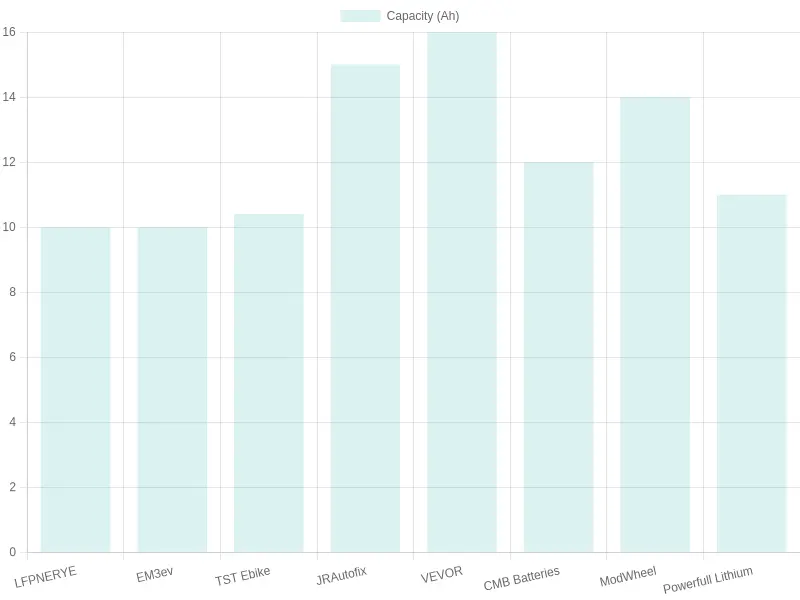
| LFPNERYE | 13Ah | $299 – $350 | 1 year |
| Rectangle | 13Ah | $250 – $300 | 2 years |
| 36V Lithium | 13Ah | $200 – $250 | 1 year |
| Annesc | 20Ah | $300 – $400 | 2 years |
Insights into Warranty Options
A doughnut chart visualizing the warranty distribution among the brands shows the common warranty options:
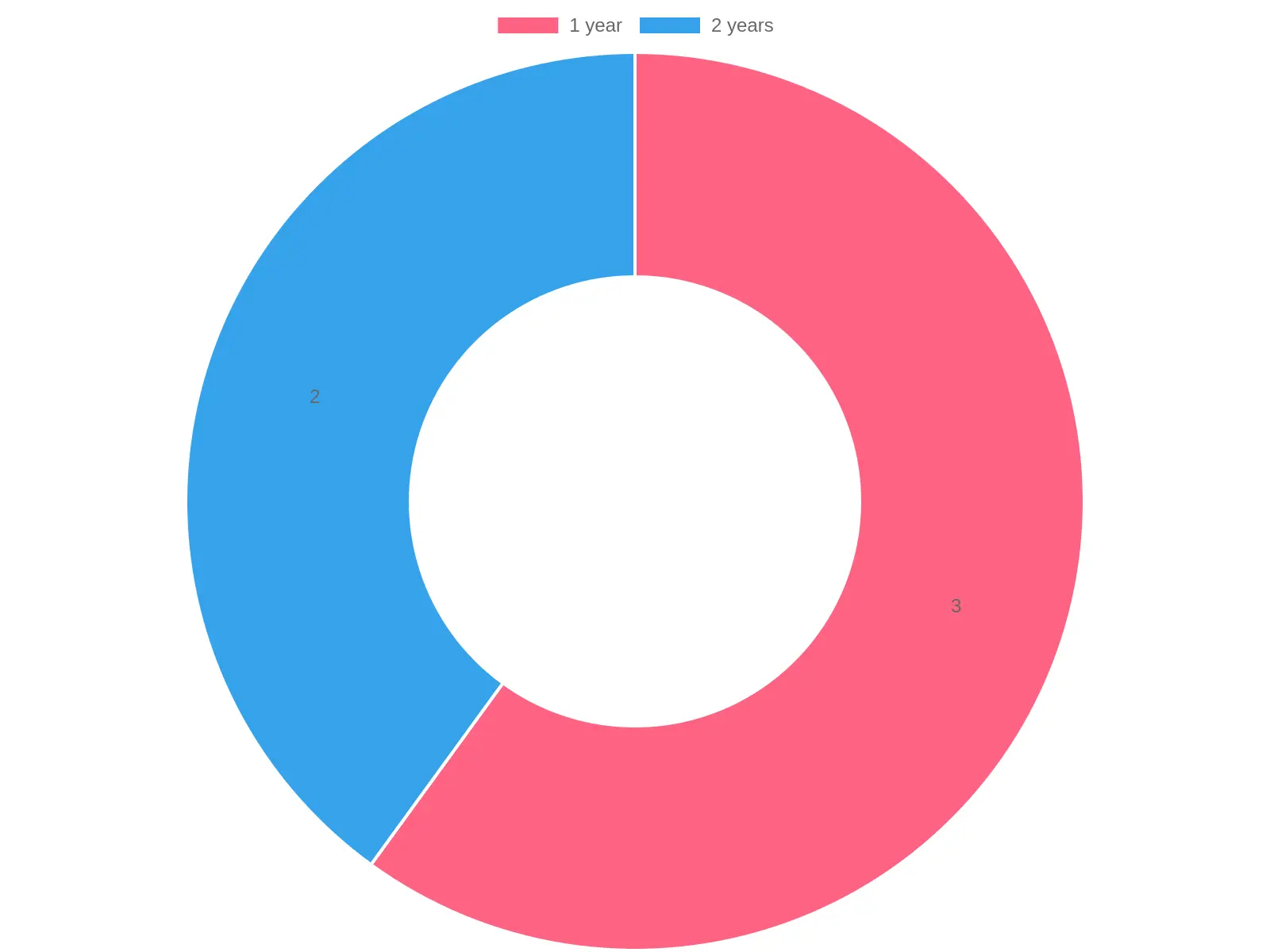
- 1 year warranty is ascribed to 3 brands
- 2 years warranty is provided by 2 brands
These options can influence your purchasing decision significantly. To explore more about the features of various batteries, consider checking out Surron Electric Bikes.
Analyzing the Cost-Effectiveness of 36V Lithium Ebike Batteries
When considering the implementation of 36V lithium batteries for electric bikes, particularly for businesses operating within the transportation or logistics sectors, several key factors contribute to their overall cost-effectiveness: purchase price, operational costs, and lifespan advantages.
Purchase Price
The initial investment in 36V lithium batteries can vary based on capacity and brand. For example, a 36V 14Ah lithium-ion battery typically costs around $400 to $600, as evidenced by listings like the 36V 14AH Battery available at Walmart. This range is competitive compared to other power storage options. Though the upfront cost is significant, businesses must recognize that lithium batteries provide durability and performance that can mitigate other expenses over time.
Operational Costs
Operating 36V lithium batteries is generally more economical than traditional lead-acid alternatives, chiefly due to their higher energy density and efficiency. For instance, electric bikes equipped with lithium batteries can operate at about one-third of the cost per mile compared to those using gasoline or other fossil fuels. Notably, lithium-ion batteries usually incur operational costs ranging from $8,000 to $15,000 over their lifespan, as highlighted in data from various forums like BeeCool Bikes. This reduction in operational expenses is essential when calculating long-term costs.
Lifespan Advantages
The longevity of lithium batteries represents a significant advantage, with most 36V cells yielding between 500 to 1000 full charge cycles, translating to an operational lifespan of approximately 2 to 5 years. Some studies suggest that lithium-ion batteries can last even longer, up to 7 years with adequate maintenance. They maintain a higher percentage of charge retention (around 90%) if properly cared for, ensuring they operate effectively even after several years of use. Their durability leads to reduced frequency in replacements and repairs, making them a sound choice for businesses focused on maximizing efficiency and minimizing waste.
Conclusion
Investing in 36V lithium ebike batteries is not merely a matter of evaluating initial costs; it encompasses understanding the longevity and operational efficiency that these batteries provide in the long run. The lower operational costs and extended lifespan indicate that businesses can realize significant savings over time, making 36V lithium batteries a remarkably cost-effective solution for electric mobility needs. For companies seeking further information on ebike solutions, check our article on 36V Vs. 48V Batteries for a detailed comparison that can help inform your purchasing decision.
For those ready to enhance their operations with reliable, efficient energy solutions, the shift to 36V lithium ebike batteries is a strategic move worth considering.
User Testimonial for 36V Lithium Ebike Batteries
“I recently upgraded my ebike with a 36V lithium battery and I could not be happier! The performance is incredible, providing reliable power for every ride. I have noticed a significant improvement in range and speed compared to my previous lead-acid battery. Plus, the battery charge lasts longer, allowing me to go further without worrying about running out of power. It’s been a game changer for my daily commutes!”
- Rob J., Regular Commuter
This testimonial echoes the sentiments of many users who have made the transition to 36V lithium batteries, noting their enhanced efficiency and reliability over traditional battery types. To learn more about the advantages of these batteries, check out the benefits of lithium ebike batteries here.
Moreover, for those interested in performance models or seeking further insights into different ebike technologies, explore the comprehensive offerings at Surron Ebike Shop USA.
Harnessing the power of lithium technology not only boosts your ebike’s functionality but also enriches your overall riding experience.
Conclusion and Call to Action
As the demand for eco-friendly transportation continues to rise, investing in 36V lithium e-bike batteries is becoming increasingly essential for business owners looking to enhance their operational efficiency. These advanced batteries offer significant advantages over traditional options, including improved energy density, lightweight design, and better longevity. Additionally, their fast-charging capability not only boosts productivity but also ensures that your fleet of e-bikes is always ready for use.
Moreover, with the ebike market projected to grow significantly, particularly in regions such as Asia, embracing cutting-edge battery technology is critical for staying competitive source. Businesses relying on electric bicycles will benefit from reduced maintenance costs and a lower total cost of ownership, driving profitability over the long term.
However, it’s equally important to keep safety at the forefront. The recent rise in incidents regarding e-bike battery fires underlines the need for robust safety measures and adherence to manufacturing standards source. As you consider making the switch, make sure you’re investing in high-quality batteries that comply with industry safety standards.
Now is the time to elevate your business with reliable power sources. Explore premium 36V lithium e-bike batteries at Surron Bike Shop USA and equip your fleet for success. Don’t miss out on the opportunity to revolutionize your operations and contribute to a sustainable future. Make your investment today!
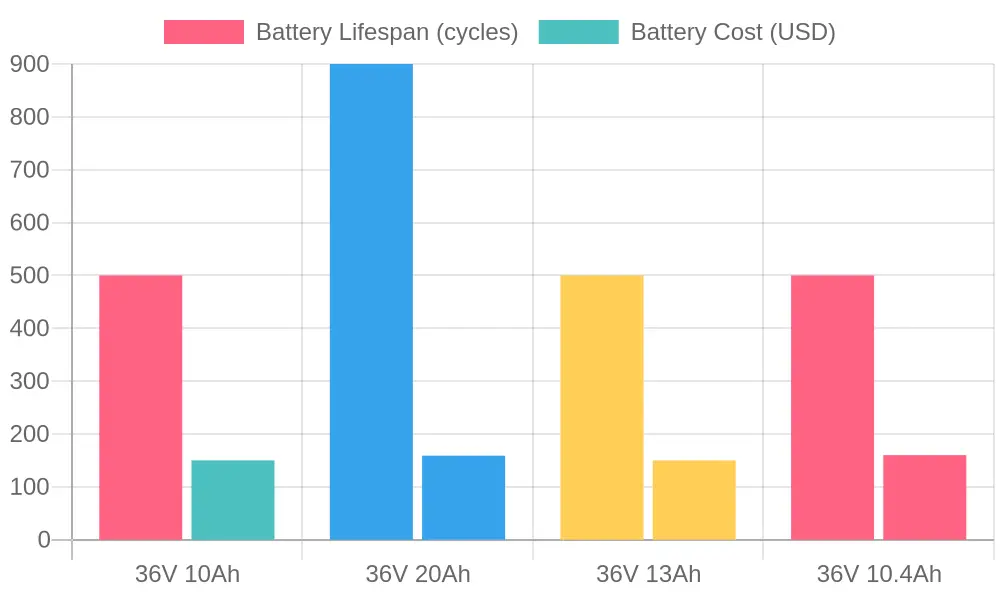
Battery Lifespan vs Cost of 36V Lithium Ebike Batteries
The following chart illustrates the relationship between the lifespan and cost of various types of 36V lithium ebike batteries, providing valuable insights for business owners considering these products.
Data Summary
| Battery Type | Lifespan (cycles) | Cost (USD) | Notes |
|---|---|---|---|
| 36V 10Ah | 500 | ~150 | Generally lightweight, good for short trips. Source |
| 36V 20Ah | 800-1000 | ~159 | Suitable for longer rides, provides more power. Source |
| 36V 13Ah | 500 | ~150 | Good for basic commutes. Source |
| 36V 10.4Ah | 500 | TBD | Lightweight design suitable for various bikes. Source |
This chart and the detailed comparison table equip business owners with the necessary data to make informed decisions regarding which 36V lithium ebike batteries to consider for their needs.