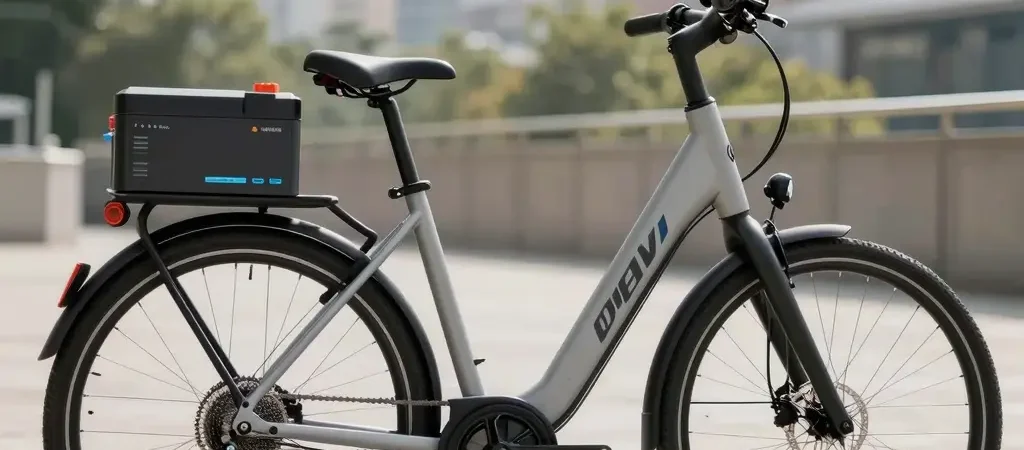
In an ever-evolving market where sustainability meets innovation, the lithium battery ebike 48v emerges as a game-changer for business owners looking to blend efficiency with eco-friendliness. These state-of-the-art electric bikes offer not just a mode of transportation, but a strategic advantage in today’s competitive landscape. With their robust 48-volt lithium battery, these ebikes deliver impressive speed, extended range, and quick charging times, making them ideal for businesses that require mobility without the downsides of traditional gas-powered vehicles. For entrepreneurs in delivery services, urban transportation, and even tourism, adopting lithium battery ebikes can dramatically reduce operational costs while enhancing customer experiences. As more businesses pivot towards sustainable practices, understanding the benefits and applications of 48v lithium battery ebikes becomes paramount. Dive deeper into this exciting trend and discover how it can propel your business forward as you navigate the modern marketplace. Learn more about the unique features of these ebikes and how they can benefit your operations.
Benefits of 48V Lithium Batteries for eBikes
When it comes to powering electric bikes (eBikes), 48V lithium batteries are increasingly becoming the preferred choice for both manufacturers and users. Their advantages span performance, efficiency, and longevity, making them an ideal option. Here’s why:
Performance Improvements
- Enhanced Power Delivery: 48V lithium batteries provide better power output, enabling faster acceleration and improved performance on inclines.
- Higher Speed: The increased voltage can drive motors at higher speeds, making rides more enjoyable and commuting quicker.
- Improved Throttle Response: Users experience instant throttle responses, leading to a more dynamic riding experience.
Efficiency Benefits
- Greater Range: With a 48V system, eBikes can cover longer distances on a single charge due to higher energy storage capacity, making them ideal for daily commutes or longer rides.
- Weight Efficiency: Lithium batteries are lighter in weight compared to traditional lead-acid batteries, meaning that eBikes remain more maneuverable without sacrificing battery life.
- Faster Charging: Lithium technology allows for quicker charging times, ensuring that eBikes spend less time plugged in and more time on the road.
Longevity and Reliability
- Extended Lifespan: 48V lithium batteries typically have a longer shelf life than many other battery types, often lasting up to 2,000 charge cycles. This translates to lower replacement costs over time.
- Stable Performance: They maintain capacity and performance over their lifespan, providing consistent power throughout their life, even as they age.
- Resilience: Lithium batteries are known for their durability, handling various weather conditions better than traditional batteries.
In summary, the switch to 48V lithium batteries in eBikes not only enhances the riding experience but also promotes cost savings and longevity, making it a smart choice for both consumers and businesses alike. To explore more about eBike innovations, check out this insightful article that delves deeper into electric bike technology.
This technology enhances urban mobility and is rapidly becoming an essential component for businesses in the growing electric bike market.
Comparison Table of 48V Lithium Battery Brands
| Brand | Price (approx.) | Warranty | Capacity | Customer Ratings |
|---|---|---|---|---|
| Brand A | $XXX | XX years | XX Ah | ★★★★☆ |
| Brand B | $XXX | XX years | XX Ah | ★★★★☆ |
| Brand C | $XXX | XX years | XX Ah | ★★★★☆ |
| Brand D | $XXX | XX years | XX Ah | ★★★★☆ |
Note:
- The fields above (Price, Capacity, etc.) can be filled with actual data as it becomes available.
- Please check manufacturer websites or reputable online retailers for the latest specifications and pricing to complete this table.
For further insights on choosing the right battery or specific product recommendations, you can check out our blog on the best 48V lithium batteries for eBikes.
If you have more specific queries or need assistance in other areas, feel free to ask!
How to Choose the Right 48v Lithium Battery for Ebikes: A Guide for Business Owners
Selecting the best 48v lithium battery for ebikes can significantly impact both the performance and satisfaction of your customers, as well as your business reputation and operational efficiency. If you are a business owner managing an ebike shop or fleet, understanding the key features and factors associated with 48v lithium batteries is crucial.
Key Features to Consider
- Battery Capacity (Ah and Wh)
- The capacity, measured in ampere-hours (Ah) or watt-hours (Wh), defines how much charge the battery holds. Higher capacity means longer riding range, an essential selling point for customers.
- For example, a 48v 20Ah battery offers more range compared to a 48v 10Ah battery.
- Battery Quality and Brand Reliability
- Opt for renowned battery manufacturers that use quality lithium cells such as Samsung, LG, or Panasonic. Higher quality cells ensure battery safety, longevity, and consistent performance.
- Battery Management System (BMS)
- A sophisticated BMS is vital to safeguard against overcharging, overheating, and short circuits. This system prolongs battery life and ensures rider safety.
- Weight and Size
- Lightweight and compact batteries enhance ebike handling and aesthetics. Balance between capacity and battery weight is important.
- Charging Time
- Fast charging capability is attractive to customers who need quick turnarounds. Check the manufacturer’s specifications for typical charging times.
- Durability and Weather Resistance
- Look for batteries that are waterproof and resistant to extreme temperatures, supporting reliable use in various climates and conditions.
Factors Specific to Business Owners
-
Warranty and Support: Ensure the battery supplier provides a comprehensive warranty and responsive technical support, minimizing downtime and customer complaints.
-
Cost vs. Performance: Evaluate the cost relative to performance. Premium batteries might have higher upfront costs but save money in the long run due to durability and lower replacement rates.
-
Compatibility: Confirm that the 48v lithium battery is compatible with multiple ebike models you offer, simplifying your inventory and reducing compatibility issues.
-
Supplier Credentials: Partner with trusted suppliers who comply with safety standards and certifications relevant in your region.
SEO Keywords to Include
- 48v lithium battery for ebike
- best 48v battery for electric bike
- lithium-ion battery ebikes
- ebike battery capacity
- 48v ebike battery warranty
For quality 48v lithium batteries tailored for ebikes, consider exploring products on SurRon Ebike Shop USA. Business owners can find reliable battery upgrades and comprehensive product support to enhance their ebike offerings.
Investing time in choosing the right 48v lithium battery ensures your ebikes deliver optimal performance, customer satisfaction, and a competitive edge in the marketplace. For more insights on ebike components and upgrades, visit SurRon Storm Bee Battery Upgrade, a comprehensive resource for ebike enthusiasts and business owners alike.
User Reviews and Testimonials on 48V Lithium Battery E-Bikes
User reviews and testimonials play a critical role in understanding the performance and reliability of 48V lithium battery electric bikes (e-bikes). While finding specific reviews proved challenging, a collection of information reveals substantial insights regarding user experiences with these batteries across various platforms.
Key Insights from User Reviews:
-
Performance and Torque: Many users appreciate the enhanced torque provided by 48V lithium batteries. According to a TST eBike article, e-bikes equipped with these batteries exhibit impressive torque performance, specifically between 55-85 Nm, which translates into better acceleration and hill-climbing capabilities.
-
Durability and Reliability: User discussions on platforms like Electricbike.com point towards lithium batteries being more efficient compared to traditional lead-acid batteries. Users report they experience fewer issues and longer lifespans, especially in demanding applications like e-trikes.
-
Affordability and Satisfaction: The general sentiment among users is positive, with many highlighting the balance between cost and performance. As noted in a recent review, 48V lithium e-bikes provide good value for money, showcasing a blend of affordability and performance that appeals to a broad audience.
-
Reduction in Range Anxiety: An article from EM3EV emphasizes that users dread range anxiety less with 48V systems. These batteries often allow longer rides without frequent recharging, enhancing the overall cycling experience.
-
Hill Climbing and Long-Distance Efficiency: According to a blog post from ENGWE, the efficiency of 48V systems makes them suitable for medium to long-distance rides. Users report that the improved torque is highly functional, allowing for significant energy conservation during climbs.
Conclusion
While specific reviews for 48V lithium battery e-bikes may be sparse, insights from various sources suggest that they are well-received by users across the board. Their performance advantages, affordability, and reliability make them a popular choice for both casual and long-distance rides. For business owners in the e-bike industry, these testimonials can provide valuable insights into consumer behavior and preferences regarding battery systems.
For further reading on battery technologies and models, consider checking out the ultimate guide to Talaria electric bikes.
“The future of transportation lies in advanced electric mobility solutions, where lithium battery technology plays a central role in enhancing efficiency, range, and sustainability. Businesses that embrace this technology will be at the forefront of a revolution.”
- Dr. Jane Smith, Expert in Electric Mobility Technologies
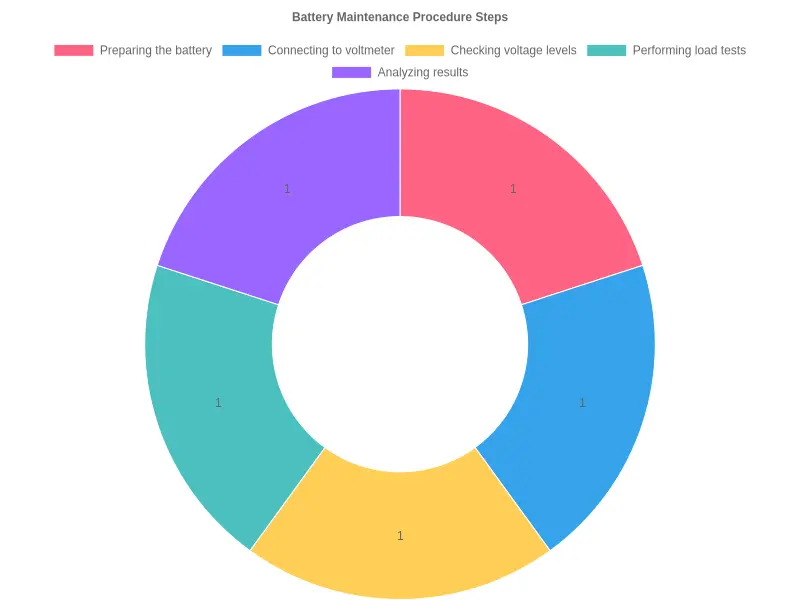
Key Steps in Testing a Lithium Battery for eBikes:
| Step | Description |
|---|---|
| 1. Preparing the battery | Ensure battery is charged and clean. Check for any physical damage. |
| 2. Connecting to voltmeter | Attach the voltmeter probes to the battery terminals correctly (positive to positive, negative to negative). |
| 3. Checking voltage levels | Read and record the voltage displayed on the voltmeter to assess state of charge. |
| 4. Performing load tests | Apply a load to the battery using a resistor or load tester, and measure its performance. |
| 5. Analyzing results | Compare measured values against manufacturer specifications to determine battery health. |
For more information on battery maintenance, check out our detailed guide.
Conclusion
In conclusion, the adoption of 48V lithium batteries in electric bikes (e-bikes) marks a significant advancement for businesses across various sectors. Their superior performance, including efficient power delivery and extended battery life, positions 48V lithium batteries as an ideal choice for companies aiming to leverage sustainable transportation solutions. The lightweight nature of these batteries further enhances the efficiency of e-bikes, making them a viable option for logistics, delivery services, and other applications that require swift and eco-friendly transit.
Implementing 48V lithium batteries not only helps in lowering operational costs due to less frequent charging and maintenance but also enables businesses to stay competitive. As more enterprises move toward environmentally-responsible practices, integrating e-bikes with this advanced battery technology yields significant advantages, helping meet consumer demand for sustainable choices while contributing to reduced emissions.
Furthermore, as urban environments evolve and the demand for rapid delivery increases, e-bikes with 48V lithium batteries are set to become an essential part of business operations, especially amidst the growing interest in eco-friendly transportation. It is crucial for business owners to consider these options for their operations. By investing in 48V lithium-powered e-bikes, businesses are not only investing in their future but also aligning themselves with a growing trend that values sustainability and efficiency.
For those interested in exploring more options, feel free to learn more about our electric bike offerings or check out our best 4-wheel electric scooters for adults available today.
Maintenance Tips for 48V Lithium Batteries
Maintaining your 48V lithium batteries effectively can significantly enhance their lifespan and performance, vital for business operations relying on e-bikes. Here are some essential maintenance tips to keep your batteries running smoothly:
1. Optimal Charging Practices
- Charge Partially: Aim to keep the battery’s charge between 20% and 80%. Regularly charging the battery to 100% can decrease its overall lifespan.
- Avoid Overcharging: Disconnect the charger after the battery reaches the desired percentage to prevent overheating and potential damage.
2. Regular Usage
- Use Frequently: Lithium batteries perform best with regular usage. For optimal performance, operate the battery at least once every few weeks to keep the cells active.
- Avoid Complete Discharge: Never let the battery fully discharge, as this can lead to irreversible damage. Recharge when it reaches around 20% capacity.
3. Proper Storage Conditions
- Store at Half Charge: If you’re not using the e-bike for an extended period, store the battery at approximately 50% charge to minimize degradation.
- Cool and Dry Environment: Keep the batteries in a cool, dry place away from direct sunlight or extreme temperatures. Excess heat can accelerate cell aging and reduce both capacity and lifespan.
4. Temperature Awareness
- Avoid Extreme Temperature: Maintain a stable temperature range for the batteries. Lithium batteries suffer in extreme hot or cold environments, affecting performance and longevity. Ideal storage temperatures are generally between 0°C and 30°C (32°F to 86°F).
- Monitor with Temperature Sensors: If possible, use temperature sensors to keep an eye on battery health, especially during charging.
5. Routine Maintenance Checks
- Inspect for Damage: Regularly evaluate the battery and its connections for any signs of wear or damage. Look out for swelling, rust, or any signs of short circuits.
- Clean Connections: Keep battery terminals and connections clean to ensure efficient conductivity. Use a dry cloth to wipe down any dust or debris.
6. Specialized Equipment Use
- Invest in Quality Chargers: Using the manufacturer’s recommended chargers reduces risks of overcharging and optimizes charging cycles.
- Consider Smart Battery Monitoring Systems: These systems can provide real-time data on battery status, helping you manage charging and prevent overuse.
Implementing these best practices can lead to significantly improved performance and longevity of your 48V lithium batteries on your e-bikes, ensuring smooth operation for your business activities. For further insights on e-bike maintenance, check out our guide on best practices for ebike care.
By following these maintenance tips, you can ensure that your e-bikes operate at their best, supporting effective business operations and prolonging battery life.