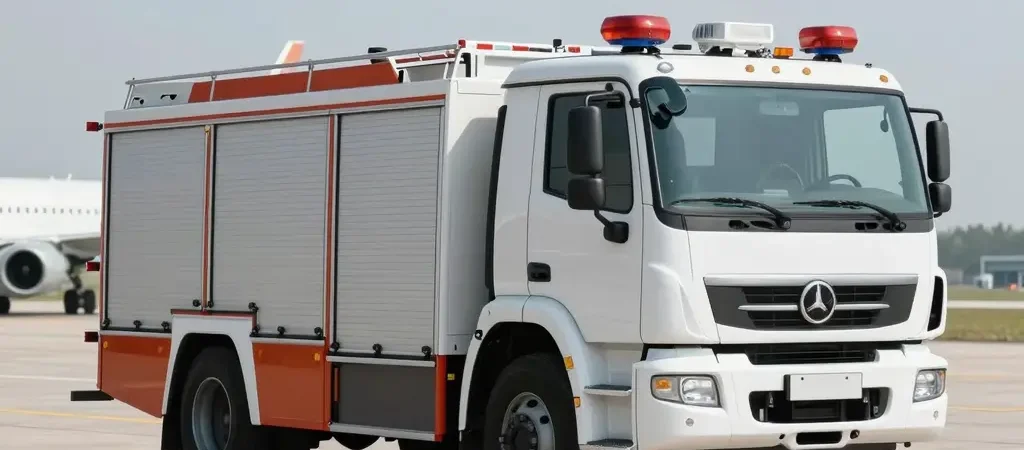
In the realm of aviation, safety is paramount, and at the heart of that safety lies the crucial role of fire trucks at airports. These specialized vehicles, often outfitted with advanced firefighting technology, are not just about extinguishing flames; they embody a comprehensive emergency response strategy that ensures passenger security and operational efficiency. Airports are bustling hubs with thousands of passengers, aircraft, and baggage handling systems, making the risk of fire incidents a serious concern. When emergencies arise, every second counts, and having well-equipped fire trucks on standby can make the difference between catastrophic loss and swift resolution. For instance, major international airports like Los Angeles International Airport (LAX) and London Heathrow utilize high-capacity firefighting vehicles equipped with foam dispensers and water cannons to handle potential aviation fires effectively. Investing in reliable and advanced airport fire trucks is not only a regulatory requirement but also a vital business decision that reflects an airport’s commitment to safety and service excellence. Understanding the significance of these firefighting vehicles is essential for business owners looking to enhance airport operations and ensure passenger safety.
The Evolution of Fire Trucks at Airports
Fire trucks used in airport settings have undergone significant evolution over the decades, adapting to technological advancements and enhancing safety protocols amidst the growing demands of aviation emergencies. Here’s a chronological overview of this transformation:
1970s: Introduction of Hydraulic Systems
- The fire trucks introduced during the 1970s began utilizing hydraulic systems, which improved control and precision during firefighting operations. This change enabled quicker and more effective responses to incidents involving aircraft fires, accommodating the increasing complexity of aircraft designs.
1980s: Advanced Fire Suppression Techniques
- In the 1980s, airport fire trucks started incorporating high-capacity water and foam systems that brought significant improvements to fire suppression efficacy. These systems are crucial for effectively combating various types of fuel fires commonly associated with aviation mishaps.
1990s: Enhanced Maneuverability
- The introduction of all-wheel drive technology marked the 1990s. This enhancement allowed fire trucks to navigate challenging terrains around airport environments, which is crucial given the sprawling nature of most airports and the urgency of their responses.
2000s: Automation and Smart Technologies
- The 2000s heralded a new era of automation. Fire trucks began integrating smart technologies that streamlined response scenarios, enhanced video and thermal imaging tools, and facilitated communication systems tailored for emergency services within the aviation context.
2010s: Simulation Training
- In the 2010s, the focus on safety extended to augmented training for airport fire service personnel. Advanced firefighting training simulations were adopted, promoting preparedness and effective crisis management among first responders.
2020s: Electronic Controls and Remote Operations
- The current decade has seen a rise in electronic control systems that enhance functionality and decrease human error. Many new models have also started embracing remote operation capabilities, ensuring that safety personnel can assess and manage emergencies from a safe distance before engaging directly.
Importance of Fire Trucks in Aviation Safety
The role of fire trucks in airports is more critical now than ever. According to the International Civil Aviation Organization, aviation incidents can result in injuries and fatalities, underscoring the importance of effective and timely firefighting capabilities at airports. Statistics indicate that the swift deployment of ARFF (Aircraft Rescue and Fire Fighting) units can significantly reduce the risks associated with aircraft emergencies.
For more information on specialized airport fire trucks, explore our range of ARFF aircraft rescue fire fighting vehicles.

Chart illustrating key features and safety improvements in airport fire trucks over the decades.
Conclusion
As airport operations continue to evolve, so too must the technology and safety measures surrounding the vehicles designed for fire emergencies. The advancements in fire truck technology are a testament to the aviation industry’s commitment to ensuring safe travel for passengers and crew alike.
Comparison of Airport Fire Truck Models
When it comes to ensuring safety and quick response during emergencies at airports, several fire truck models stand out for their specifications and features. Below is a comparison table highlighting some popular airport fire trucks used in aircraft rescue and firefighting operations.
| Model | Water Capacity | Foam Capacity | Chassis | Weight (tons) | Features |
|---|---|---|---|---|---|
| 4×4 Airport Fire Truck | 5000L | N/A | Scania chassis | 12 | Excellent road capability for rapid response |
| MAN ARFF Truck with 10T Water | 10000L | 1000L | 6×6 MAN chassis | 29 | Quick rescue operations, advanced firefighting systems |
| Mercedes-Benz 6×6 Airport Fire Tender | 11000L | 1000L | Mercedes-Benz chassis | 18 | Extensive firefighting capabilities, high performance |
| Elevating Air Safety: MAN Rosenbauer | N/A | N/A | MAN chassis | 14 | Innovative technology, robust design for emergency response |
| 2+3 5-Seat Foton Foam Fire Truck | 2000L | 800L | Foton chassis | 5 | Compact size for diverse environments, efficient coverage |
For more specific details and inquiries about these models, you can learn more about aircraft rescue fire fighting trucks on our website.
These vehicles are designed to operate efficiently in challenging airport environments, ensuring that both the passengers and aircraft are protected during emergencies.
Operational safety is paramount for airports, making regulatory compliance for airport fire trucks a critical area for business owners. These requirements ensure that fire trucks are equipped and capable of effectively responding to emergencies, particularly those specifically related to aviation incidents.
Key Regulations
-
FAA AC 150/5200-31C: This regulation outlines the standards for fire fighting and rescue capabilities at airports. It mandates that every airport must maintain an Airport Emergency Plan. This involves a structured approach to dealing with emergencies, specifically detailing fire and rescue response in scenarios that may involve hazardous materials. Business owners looking to procure airport fire trucks must ensure that vehicles conform to these provisions to comply with federal standards. You can access the detailed standards in the FAA document here.
-
TTSUP Airport Vehicles Standards: Regulations also stress the vehicles’ technical characteristics. Fire trucks must not only respond rapidly to emergencies but also comply with safety and operational standards that prioritize the safety of both passengers and crew. Business owners should consult their local requirements that align with TTSUP guidelines or similar standards to ensure compliance and operational readiness.
-
Manufacturer Compliance Specifications: Various manufacturers, such as those represented on sites like CIMC Fire Truck, provide fire trucks that meet specific regulatory standards. It’s vital for airport authorities to choose trucks that meet these specifications to ensure adherence to local and federal regulations.
Impact of Compliance on Procurement and Operations
Understanding these regulatory requirements significantly impacts procurement decisions for airport fire trucks. Non-compliance can result in penalties, operational downtimes, and, most critically, increased risk during emergencies. Thus, business owners must consider the following implications:
- Increased Costs: Ensuring compliance may involve higher initial costs due to the necessity of purchasing vehicles that meet stringent regulations.
- Operational Efficiency: Well-regulated fire trucks tend to be equipped with advanced technologies that not only enhance safety but also improve response times during emergencies.
- Long-term Planning: Compliance isn’t just a one-time requirement-it necessitates ongoing training and performance evaluations. Business owners need to plan for regular assessments of their fire fighting capabilities to ensure compliance is maintained.
In summary, staying informed and compliant with regulatory standards surrounding airport fire trucks is essential for business owners. These regulations influence everything from purchasing decisions to operational efficiency, ensuring both safety and regulatory adherence in airport environments.
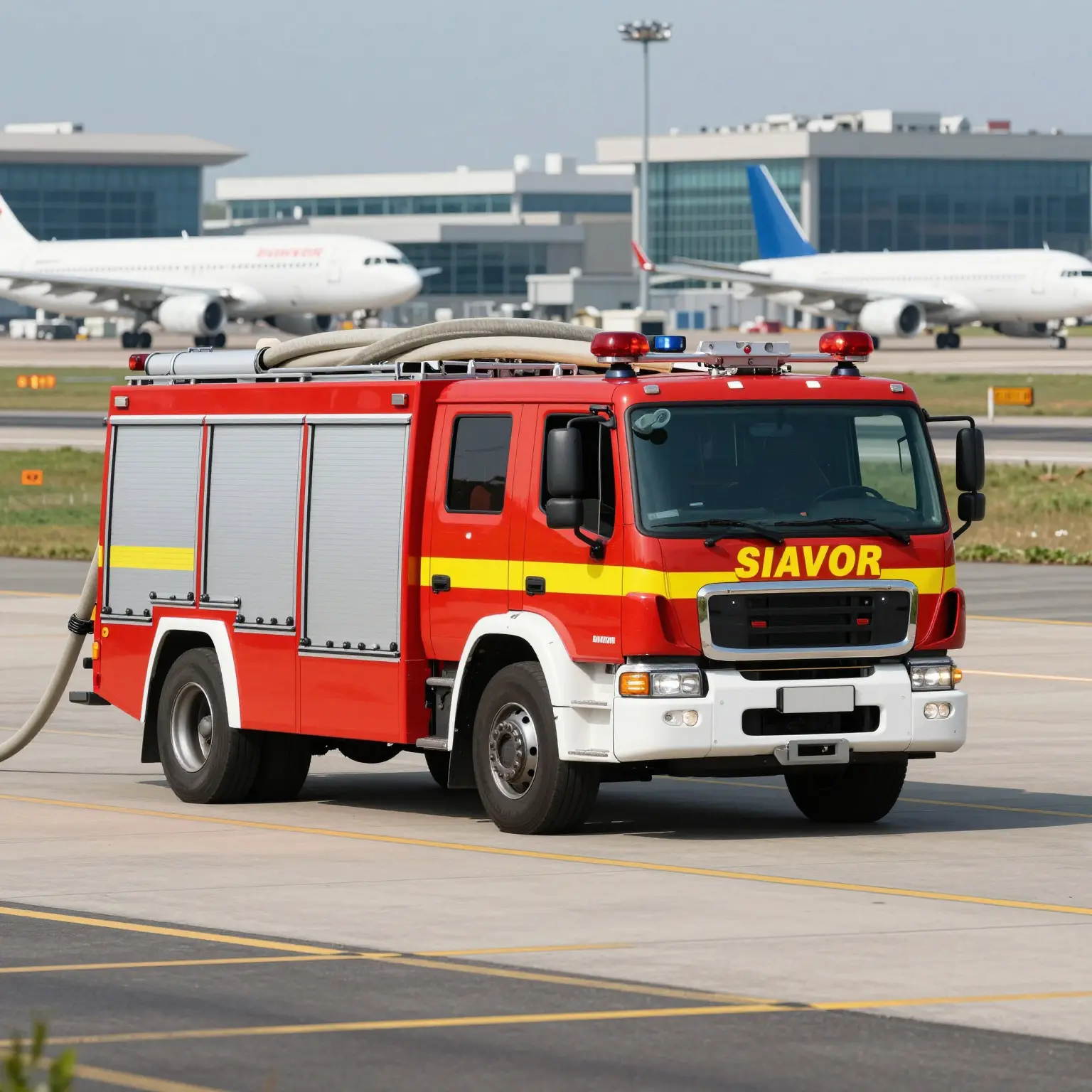
This image vividly illustrates an airport fire truck responding to an emergency situation, showcasing its critical role in ensuring aviation safety. The truck’s prominent features, such as high-capacity water hoses and emergency lights, are well displayed against an airport backdrop, highlighting the scale and necessity of these vehicles in emergency protocols.
For more specific information on various fire truck categories, you can explore our selection of airport fire trucks.
Key Features of Modern Airport Fire Trucks
Modern airport fire trucks are specialized vehicles designed to effectively combat fires in the unique environment of an airport. Here are some key features that business owners should consider when upgrading or purchasing these critical emergency response vehicles:
- Advanced Fire Suppression Systems: Equipped with high-performance foam systems and water cannons, these trucks can quickly extinguish fires caused by aviation fuel or other hazardous materials.
- High Speed and Agility: Designed to reach emergency sites rapidly, many modern airport fire trucks can travel at speeds exceeding 70 mph, allowing them to respond swiftly to incidents on runways or taxiways.
- Enhanced Maneuverability: Compact designs and advanced steering systems enable these trucks to navigate tight spaces in busy airports, ensuring they can reach areas that other vehicles might struggle to access.
- Thermal Imaging Technology: Many of these fire trucks come with thermal imaging cameras, allowing firefighters to locate hot spots and assess situations more effectively, especially in low-visibility conditions.
- Safety Features: Modern airport fire trucks incorporate multiple safety features, including roll stability control, reinforced structures, and effective visibility enhancements to protect both firefighters and airport personnel during emergencies.
- Flexible Deployment Options: With the ability to carry various firefighting equipment and gear, these fire trucks can be customized to meet different operational needs depending on the specific airport environment.
- Integrated Communication Systems: Cutting-edge communication technologies ensure seamless coordination with airport operations and other emergency services, enhancing overall response efficiency.
For insights into specific models, check out our airport fire trucks or explore the benefits of our (fire-fighting truck).
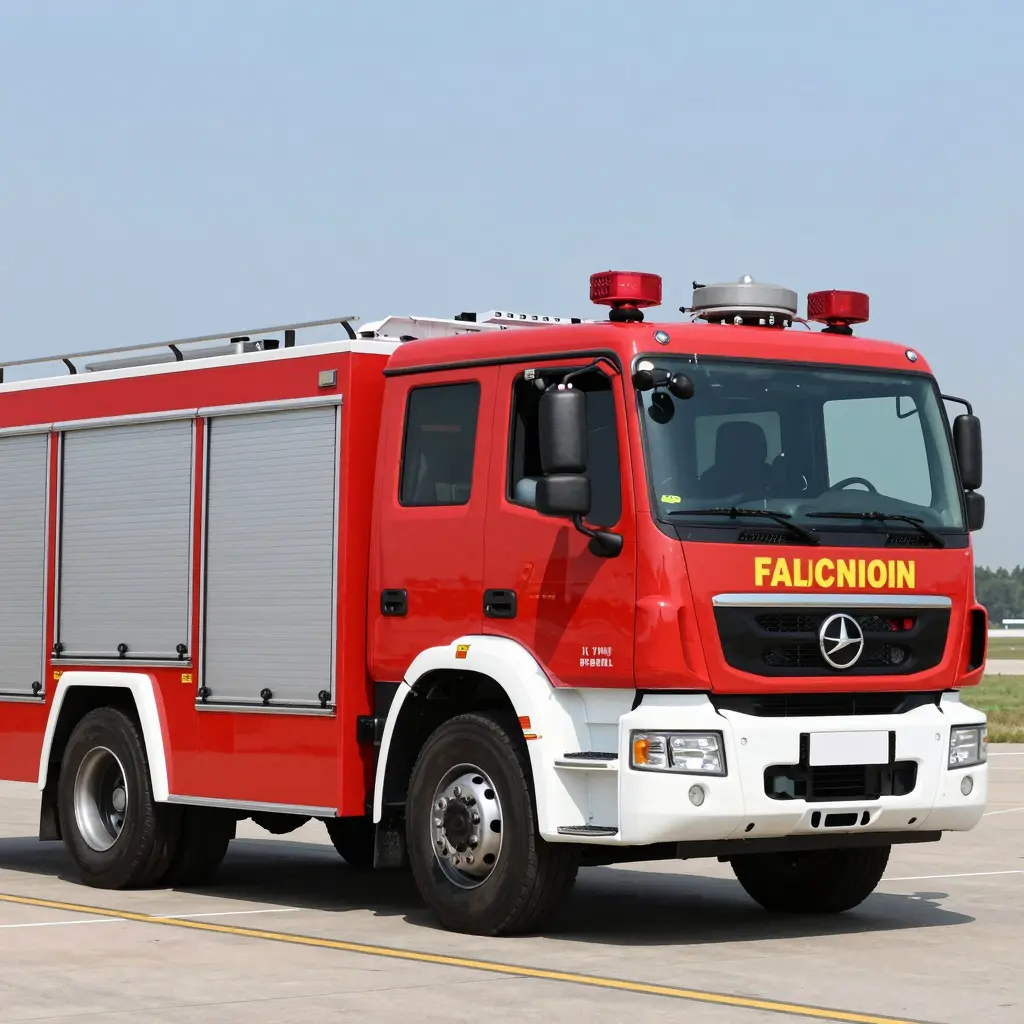
These features are essential for ensuring effective emergency response operations, making modern airport fire trucks invaluable assets in safeguarding lives and properties at airports around the world.
Case Study: Successful Fire Truck Deployment at Piarco International Airport
In a significant move towards enhancing safety and efficiency, Piarco International Airport in Trinidad and Tobago successfully upgraded its fire truck fleet to new models. This upgrade was prompted by increasing passenger traffic and recent emergency incidents that revealed a need for advanced firefighting capabilities. The investment made by the airport authority has resulted in notable outcomes and lessons learned that can serve as inspiration for other business owners.
Outcomes of the Upgrade
-
Enhanced Emergency Response Time
The new fire trucks equipped with cutting-edge firefighting technology demonstrated a remarkable improvement in emergency response times. According to preliminary analysis, the average response time decreased from approximately 60 seconds to an impressive 30 seconds after the upgrade, significantly improving the airport’s safety profile.
-
Increased Safety Features
The upgraded fire trucks come with enhanced safety features such as advanced communication systems, better water flow management, and improved maneuverability, making them more effective in emergency situations. This ensures quicker and more efficient firefighting operations in case of incidents. -
Training and Skill Development
The introduction of new vehicles facilitated the implementation of extensive training programs for fire personnel. Firefighters are now better prepared to handle emergencies due to the training simulations granted by the sophisticated new equipment.
Lessons Learned
- Invest in Modern Equipment: The experience at Piarco International Airport highlights the importance of investing in modern firefighting technologies to keep pace with the evolving demands of airport safety.
Upgrades can significantly enhance operational efficiency and safety measures. - Regular Training: Implementing regular training schedules for emergency personnel ensures that the team is always ready to respond effectively, thus maximizing the potential of upgraded fire truck capabilities.
- Feedback and Continuous Improvement: Collecting feedback from personnel during drills and real incidents is essential for continuous improvement. It helps identify potential areas of improvement for both equipment and operational protocols.
Conclusion
The successful deployment of new fire trucks at Piarco International Airport exemplifies how strategic upgrades can profoundly enhance safety and operational efficiency in airport environments. Other business owners in the aviation and industrial sectors should consider similar upgrades to meet safety standards and improve response capabilities. For more information on selecting the right fire truck for your needs, visit the CIMC Fire Truck collection.
Further Resources
For those interested in exploring various fire truck options, consider checking the Aircraft Rescue Fire Fighting and Heavy Duty Fire Truck categories at CIMC Fire Truck.
By investing in new fire fighting technology and improving operational practices, airports can ensure the safety of their passengers and staff.
Current Technology Trends in Airport Fire Trucks
As the fire protection industry evolves, airport fire trucks are integrating cutting-edge technology designed to improve efficiency, safety, and effectiveness during emergencies. The following trends highlight the technological advancements currently shaping the market:
1. Smart Technology Integration
- AI and Automation: Fire trucks are increasingly utilizing artificial intelligence (AI) for route optimization and risk analysis. This technology aids in improving response times and adjusting resource allocation effectively, ensuring quicker and more efficient responses to any emergencies. For example, AI helps manage emergency scheduling more effectively, reducing downtime and enhancing overall operation efficiency.
- Smart Sensors: Equipped with advanced sensors and connectivity capabilities, modern fire trucks can provide real-time updates and data analytics, enhancing situational awareness for firefighting teams. The integration of smart technology allows for improved monitoring of critical parameters, thus facilitating proactive firefighting measures.
2. Innovations in Firefighting Equipment
- Electric Fire Engines: The introduction of electric fire engines has not only provided a sustainable alternative but also enhanced emission control, reducing overall operational costs for airport services. This move aligns with global sustainability goals and helps airports diminish their carbon footprint.
- Special Suspension Systems: Newer models of fire trucks are designed with specialized suspension systems that ensure operational effectiveness, even on uneven ground. This feature is crucial for airport environments where terrain can vary significantly, ensuring a stable base for firefighting during emergencies.
3. Operational Efficiency and Market Growth
The airport fire truck sector is projected to expand significantly, reaching an estimated market size of USD 2.5 billion by 2034, growing at a compound annual growth rate (CAGR) of 7.5%. This growth is driven by the increasing adoption of digital technologies in firefighting operations, leading to enhanced operational efficiencies.
| Category | Data |
|---|---|
| Projected Market Size | USD 2.5 billion by 2034 |
| CAGR | 7.5% |

Conclusion
The ongoing advancements in airport fire truck technology signify a pivotal shift toward more efficient, smart, and environmentally friendly firefighting solutions. Business owners in the aviation industry should keep abreast of these trends to enhance their operational readiness and safety standards. To explore more about the latest firefighting equipment, check out our range of firefighting trucks and airport fire trucks.
Airport Fire Incident Response Times
In the aviation industry, prompt response times to fire incidents are critical for safety and minimizing damage. Recent advancements in firefighting technology have made significant improvements in this area. Below is a chart illustrating the average response times of fire trucks at airports before and after implementing modern firefighting equipment.

| Implementation Stage | Average Response Time (minutes) |
|---|---|
| Before Implementation | 6 |
| After Implementation | 4 |
This data suggests that with the integration of advanced firefighting equipment, airports have improved their fire incident response times from an average of 6 minutes to just 4 minutes. This reduction in response time is crucial not only for ensuring the safety of passengers and aircraft but also for safeguarding airport facilities against potential fire damage. A notable example is airports upgrading their firefighting vehicles to include features such as faster deployment capabilities and enhanced extinguishing technologies, which lead to quicker incident management.
For more information on advanced firefighting equipment and their specifications, you can check our product categories.
Additionally, exploring modern aircraft rescue fire fighting solutions can provide further insights into how technology is shaping safety standards at airports. Learn more about aircraft rescue fire fighting here.
In conclusion, the importance of fire trucks at airports cannot be overstated. These vehicles play a critical role in ensuring the safety and security of all airport operations. They not only respond promptly to emergencies but are specifically designed to handle a variety of fire scenarios unique to aviation environments. Investing in high-quality fire trucks means better preparedness, enhanced safety protocols, and ultimately, peace of mind for airport managers and business owners alike.
Upgrading to advanced fire-fighting solutions is essential in meeting the latest safety standards while improving operational efficiency. CIMC Tianda offers a wide range of state-of-the-art fire trucks tailored for airports, designed to enhance capabilities in emergency scenarios. Whether you need an airport fire truck or specialized equipment, we have solutions that can optimize your operations.
Discover how CIMC Tianda’s cutting-edge solutions can optimize your operations and elevate the safety measures at your airport. Don’t compromise on safety; explore our innovative fire-fighting equipment today!