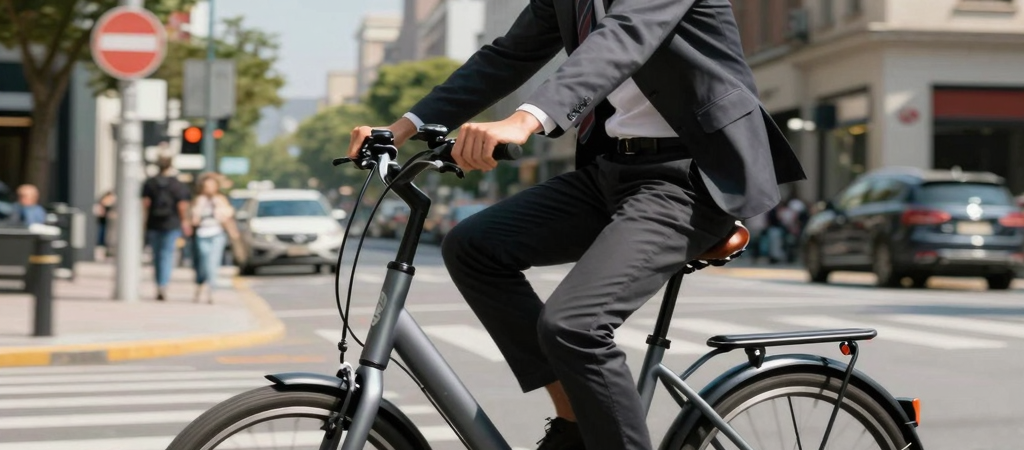
Introduction to Ultra Light E-Bikes for Business Owners
In today’s fast-paced business environment, efficiency and cost savings are paramount for success. Ultra light e-bikes offer a revolutionary solution that can transform how business owners approach logistics and transportation. With an impressive combination of portability and power, these electric bikes reduce delivery times and lower operational costs significantly. From eliminating parking headaches to cutting down on fuel expenses, switching to ultra light e-bikes can lead to sustainable savings that benefit the bottom line. Moreover, the lightweight design makes them incredibly versatile, allowing business owners to navigate urban landscapes easily, maximize time spent on their core operations, and enhance productivity. By integrating ultra light e-bikes into their business models, owners can capitalize on modern eco-friendly practices while remaining competitive in the marketplace. Learn more about how e-bikes can enhance your business operations and experience a new level of efficiency in daily tasks.
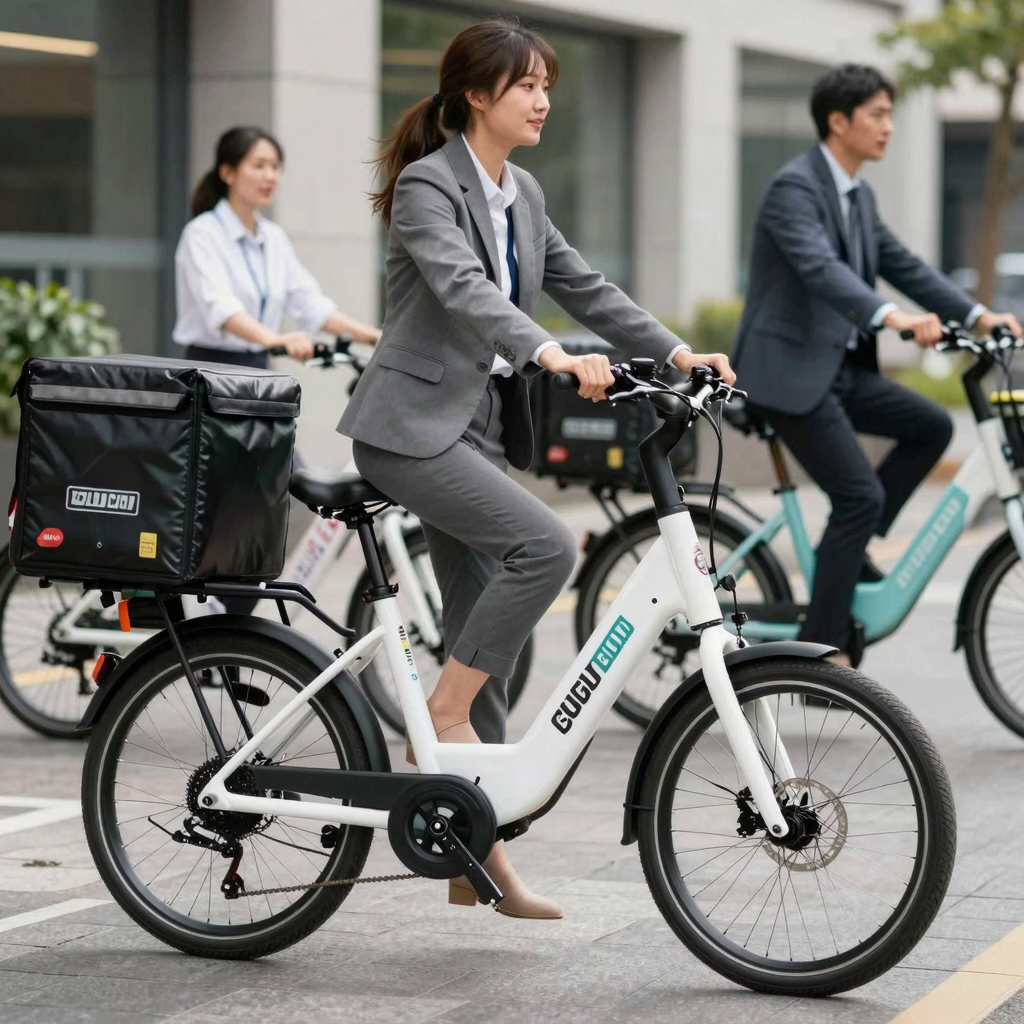

Benefits of Using Ultra-Light E-Bikes for Business Operations
-
Cost Savings: Ultra-light e-bikes can significantly reduce operational costs associated with transportation. Businesses report saving an average of $1,800 annually per bike, thanks to decreased fuel, maintenance, and parking expenses. For more insight on e-bikes and savings, check this article.
-
Increased Efficiency: A study by the Urban Mobility Institute indicates that companies using ultra-light e-bikes have seen up to a 30% boost in delivery efficiency compared to traditional methods. Their lightweight design allows for quicker loading, unloading, and better maneuverability in urban environments.
-
Enhanced Employee Satisfaction: Using e-bikes reduces physical strain on employees, contributing to fewer work-related injuries and a more enjoyable work experience. This improvement often results in higher job satisfaction and retention rates.
-
Environmentally Friendly: Ultra-light e-bikes contribute to a lower carbon footprint, aiding businesses in achieving their sustainability goals. This not only attracts environmentally conscious customers but also enhances the overall image of the business.
-
Versatile Applications: Ideal for a range of industries-including food delivery, logistics, and service sectors-ultra-light e-bikes can quickly adapt to various operational needs. Their compact size allows for easier access to densely populated areas, leading to faster service and reduced delivery times.
Integrating ultra-light e-bikes into your business model could lead to significant operational improvements and cost efficiency. For more information about e-bikes, feel free to explore more here.
Comparison of Popular Ultra Light E-Bike Models
When evaluating ultra light e-bikes, business owners can consider key specifications like weight, battery capacity, motor power, range, and price. Below is a comparison table of 5 popular ultra light e-bike models:
| Model | Weight (kg) | Battery Capacity | Motor Power | Range (km) | Price (USD) | Target Use |
|---|---|---|---|---|---|---|
| Ninebot Q90 | 37.5 | 48V 25Ah | 400W | 95 | $700 | Urban commuting, short trips |
| Yadea Little Cloud | 36 | 48V 20Ah | 250W | 50 | $200 | Budget-friendly city use |
| Green Source S16 | 39 | 48V 24Ah | 350W | 120 | $590 | Daily errands, commuting |
| Aima Star Z | 39 | 48V 20Ah | 250W | 70 | $600 | Comfortable city rides |
| NIU F0 | 36 | 48V 22Ah | 300W | 90 | $700 | Multi-modal transport solutions |
These e-bikes are generally equipped with aluminum frames and often feature a folding design, enhancing portability for daily commutes or leisure activities. Business owners should analyze the utility and cost-to-benefit ratio of each model, considering their target demographics and use cases. For a deeper dive into the benefits of lightweight e-bikes, learn more here.
Energy Efficiency and Environmental Impact
Ultra light e-bikes play a crucial role in reducing carbon footprints and promoting sustainability, particularly in business contexts. These innovative transportation solutions are designed to offer energy efficiency while significantly lowering carbon emissions compared to traditional vehicles.
Reduced Carbon Emissions
According to studies, shared e-bikes in urban settings can reduce carbon emissions by approximately 98.1% per passenger-mile compared to average cars, emitting only 5 grams of CO₂ per passenger-mile. In terms of kilometers traveled, this translates to an estimated 114 grams of CO₂ per km, which demonstrates the substantial impact of integrating e-bikes into urban transportation (ScienceDirect). This drastic reduction is vital for addressing climate concerns and enhancing urban air quality.
Long-Term Savings for Businesses
Adopting ultra light e-bikes can lead to considerable long-term savings for businesses. A 2024 report from Deloitte Insights indicates that businesses might save around £68,000 annually by incorporating e-bikes into their commuter options, diminishing costs associated with fuel, maintenance, and parking. With tax benefits from schemes encouraging bike purchases, the financial incentives are further enhanced, allowing companies to maximize their investment in eco-friendly transportation.
Community Benefits
Implementing e-bike programs not only promotes sustainability at the organizational level but also enhances community relations. By contributing to reduced traffic congestion and emissions in urban areas, businesses showcase their commitment to environmental responsibility. This can lead to improved employee morale and community goodwill, as people often prefer to associate with environmentally conscious businesses. Further, healthier commuting options contribute to lower employee absenteeism due to better overall fitness and reduced stress levels.
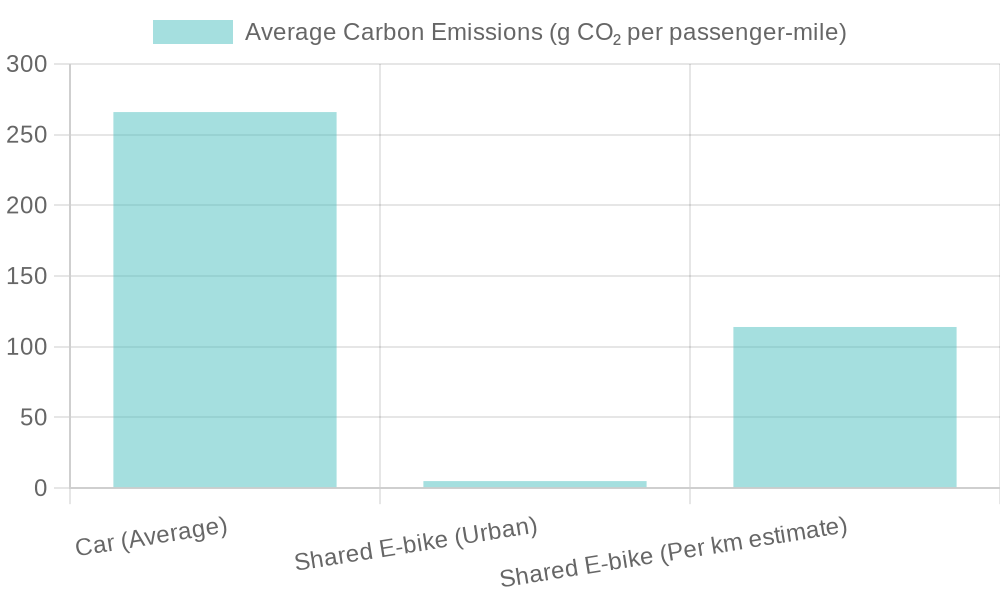
Average Carbon Emissions: Ultra Light E-Bikes vs. Traditional Cars
In conclusion, ultra light e-bikes represent a significant step towards greener transportation options. Their adoption can lead to remarkable environmental benefits, long-term financial savings for businesses, and enhanced community welfare. By investing in these modern e-bikes, companies do not merely contribute to their economic prosperity but also champion a more sustainable future.
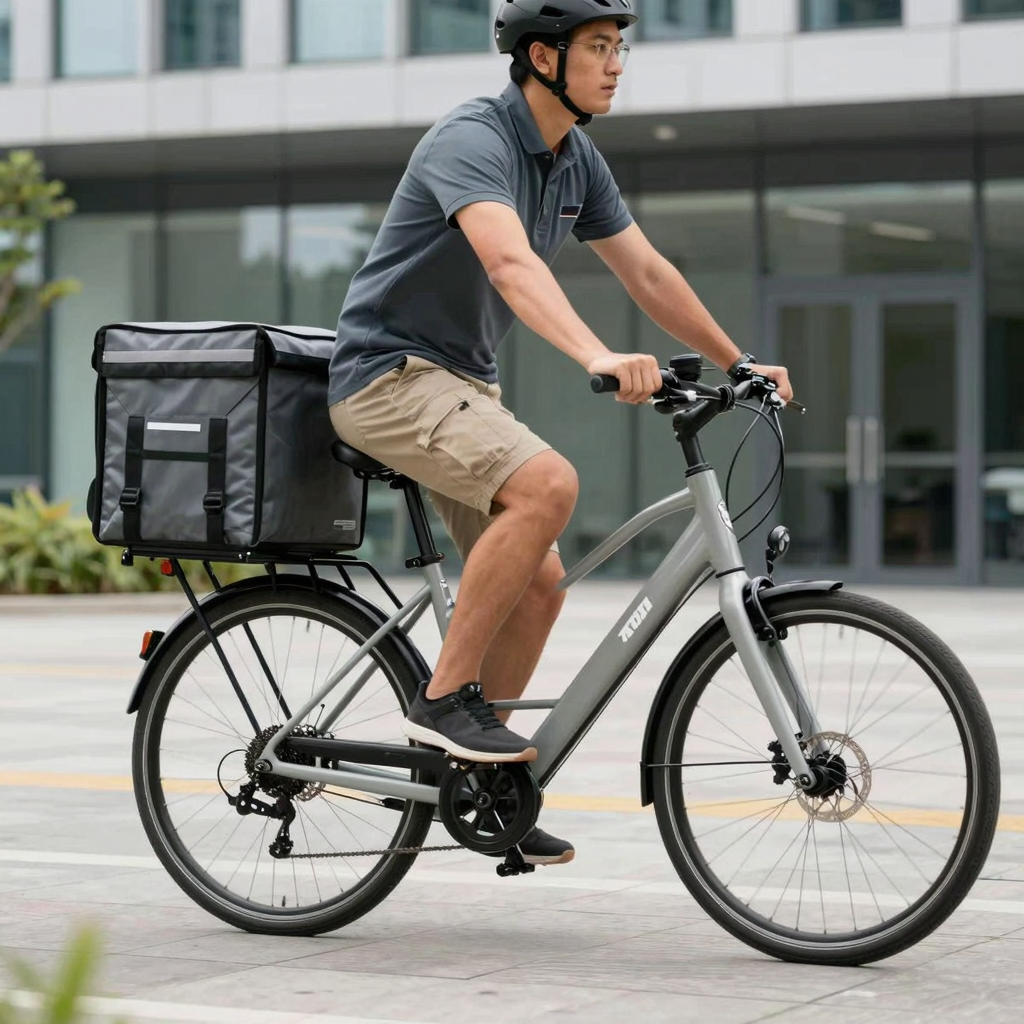
An ultra light e-bike is an innovative solution for business settings. It promotes sustainability and efficiency, perfect for employee commuting and deliveries in urban areas. With its lightweight design, businesses can enhance their delivery operations while reducing their carbon footprint.
Feel free to explore our collection of ultra light e-bikes for more options that can suit your business needs.
The Advantages of Ultra Light E-Bikes
Adopting ultra light e-bikes offers significant advantages for businesses and individuals alike. As urban planners look for sustainable transport solutions, experts are highlighting the benefits of these innovative cycles. For instance, Sarah Chen, a city transportation analyst in the Forbes Council, states:
“The core advantage of ultra-light e-bikes lies in their revolutionary accessibility. Their weight is typically under 15 kg, meaning users can easily carry them upstairs, fit them into car trunks, or take them on public transport. This unprecedented portability addresses the ‘last mile’ dilemma in traditional commuting, transforming e-bikes from an alternative mode of transport into a bona fide daily commuting partner.”
This perspective emphasizes how ultra light e-bikes not only solve logistical challenges but also promote routine use, making them an attractive option for urban commuting.
To delve deeper into the impact of e-bikes, you can learn more about the latest innovations in personal transport.
Moreover, ultra light e-bikes can significantly reduce carbon footprints and pollution in urban environments. As more businesses adopt these cutting-edge solutions, they contribute to a greener economy while enhancing mobility options for their employees and customers.
Cost Analysis: Investing in Ultra Light E-Bikes vs. Traditional Transportation Methods
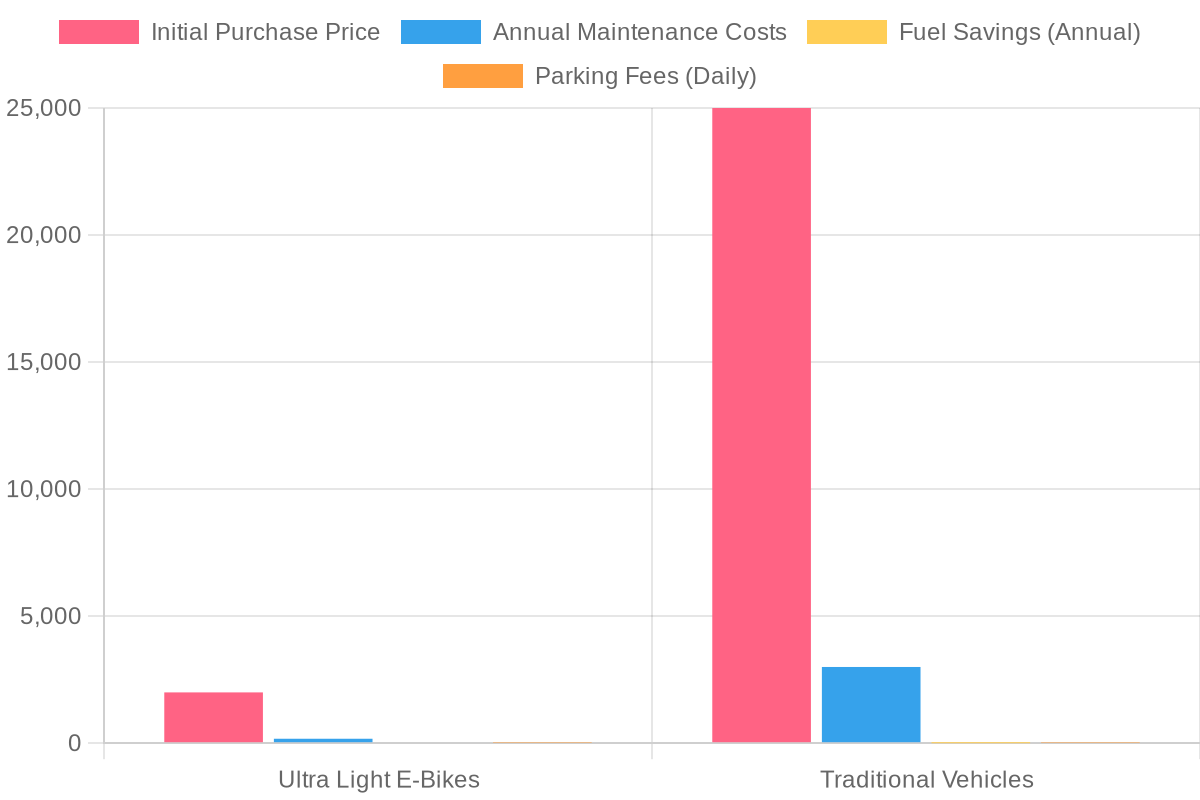
As business owners evaluate the most efficient methods of transportation, considering the financial implications of ultra light e-bikes compared to traditional vehicles becomes essential. The initial investment and ongoing costs are critical factors that can significantly influence a company’s bottom line. This analysis presents an overview of the costs associated with ultra light e-bikes, including purchase price, maintenance, potential savings on fuel, and parking fees.
Initial Purchase Price
The initial cost of acquiring a transportation option is often the most noticeable factor. Ultra light e-bikes come with a significantly lower purchase price compared to traditional motor vehicles:
- Ultra Light E-Bikes: Initial costs range from $999 to $4,000, depending on the model and features.
- Traditional Vehicles: The average cost of a new car typically exceeds $25,000.
This stark contrast illustrates a quick entry point for businesses considering e-bikes, enabling them to allocate capital to other business areas.
Maintenance Costs
Another crucial aspect to analyze is maintenance. Regular upkeep can quickly add to the total cost of vehicle ownership. E-bikes have considerably lower maintenance costs compared to traditional cars:
- Ultra Light E-Bikes: Annual maintenance costs are estimated between $50 and $300, covering tire replacements, brake checks, and battery maintenance.
- Traditional Vehicles: Maintenance expenses can typically range from $2,000 to $4,000 per year, which includes oil changes, tire rotations, and general repairs.
The lower maintenance costs of e-bikes can result in substantial long-term savings for businesses, allowing entrepreneurs to redirect funds into growth or improving service offerings.
Fuel and Parking Savings
Fuel and parking costs represent another area of potential savings:
- Ultra Light E-Bikes: These vehicles run on electric power and do not require gas, translating to $0 in fuel costs. The electricity for charging can be minimal, adding approximately $0.10-$0.20 per full charge.
- Traditional Vehicles: Average fuel costs can vary, typically around $0.15 per mile, which adds up quickly based on the miles driven. In addition, parking fees can also accumulate, with many urban areas charging $10-$30 daily.
Both modes face similar parking fees in urban environments, but e-bikes eliminate fuel costs entirely, thus favorably skewing the cost-benefit analysis towards e-bike adoption.
Summary of Cost Comparison
The following table summarizes the comparison of costs associated with ultra light e-bikes and traditional vehicles:
| Cost Category | Ultra Light E-Bikes | Traditional Vehicles |
|---|---|---|
| Initial Purchase Price | $999 – $4,000 | >$25,000 |
| Annual Maintenance Costs | $50 – $300 | $2,000 – $4,000 |
| Fuel Savings (Annual) | $0 (no fuel required) | $0.15 per mile |
| Parking Fees (Daily) | $10 – $30/day | $10 – $30/day |
Notes:
- E-bike fuel savings are $0 since they do not use gasoline; however, electricity cost is minimal (~$0.10-$0.20 per full charge).
- Parking fees are comparable between both modes in urban areas.
- Long-term savings heavily favor e-bikes due to significantly lower maintenance and no fuel costs.
Conclusion
In conclusion, investing in ultra light e-bikes can represent not only an eco-friendly transportation solution but also a financially sound decision. The lower initial purchase price, minimal maintenance costs, and significant savings in fuel expenses overwhelmingly favor e-bikes over traditional transportation methods. For business owners contemplating their transportation strategies, the cost analysis strongly recommends considering ultra light e-bikes as a viable alternative.
For further information regarding mobility solutions, learn more about electric bikes and their benefits.
Frequently Asked Questions About Ultra Light E-Bikes
1. How durable are ultra light e-bikes compared to traditional e-bikes?
Ultra light e-bikes often feature high-quality materials such as aircraft-grade aluminum, which offers both lightweight properties and exceptional durability. When designed correctly, these bikes can withstand similar wear and tear as their heavier counterparts. Learn more about lightweight electric bikes.
2. What maintenance is required for ultra light e-bikes?
Maintenance primarily focuses on the battery, brakes, and tires. Regular checks should be performed to ensure the battery is charged to the recommended levels without being fully drained. For brakes, owners should inspect the pads monthly for wear and tear. Additionally, a quarterly inspection of tires and general components will help extend the life of the e-bike. Explore maintenance tips here.
3. Are ultra light e-bikes suitable for all terrains?
Yes, many ultra light e-bikes are designed to handle various terrains. However, it’s essential to choose models specifically engineered for off-road use if you plan on using them in rough conditions. Consider features like enhanced suspension systems and shock absorbers for greater comfort and control.
4. What is the battery life of ultra light e-bikes?
Battery life varies based on usage, model, and factors such as terrain and riding style. Many ultra light e-bikes come with lithium-ion batteries that typically last between 20 to 50 miles per charge. To enhance longevity, avoid letting the battery fully deplete and store it properly.
5. How do I ensure the safety of my e-bike during rides?
Safety can be ensured by regularly maintaining the brakes and lights, wearing appropriate safety gear (like helmets), and adapting your riding style to the environment. Always familiarize yourself with your bike’s handling characteristics, especially if you are new to e-biking.
Conclusion
Considering these FAQs surrounding ultra light e-bikes can help business owners make informed decisions about product usage and maintenance. Regular care and informed riding can significantly extend the lifespan and performance of these innovative bicycles.
Trends in Ultra Light E-Bike Adoption Among Businesses
The growth of ultra light e-bikes in business contexts has surged in recent years due to various factors, including cost savings, environmental benefits, and improved operational efficiency. Here’s a brief analysis of adoption trends:
Adoption Trends Data
| Year | Ultra Light E-Bike Adoption (%) |
|---|---|
| 2021 | 25% |
| 2022 | 29% |
| 2023 | 34% |
Key Drivers of Adoption:
- Cost Savings: Reduced fuel and maintenance expenses compared to traditional delivery vehicles.
- Reduced Carbon Footprint: Aligns with corporate sustainability goals and ESG commitments.
- Improved Employee Mobility: Enhances last-mile delivery efficiency and employee satisfaction in urban logistics.
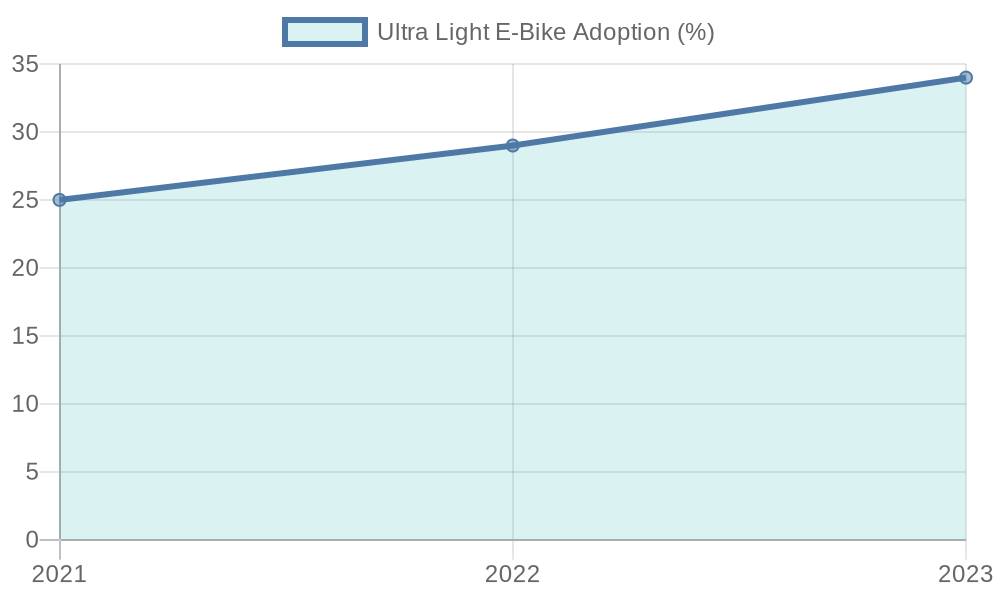
Source: Statista, European Cyclists’ Federation
In summary, the trend towards adopting ultra light e-bikes shows a promising growth trajectory, indicating that businesses are increasingly recognizing the advantages of integrating e-bikes into their operations. For a deeper understanding of electric mobility trends, learn more about these statistics.
Conclusion
In conclusion, the rise of ultra-light e-bikes signifies a transformative opportunity for businesses aiming to enhance their operations and improve efficiency. These innovative vehicles are not only energy-efficient but also promote a sustainable approach to transportation. With their lightweight design and impressive battery life, ultra-light e-bikes offer business owners a practical solution to reducing operational costs and increasing productivity.
The advantages of adopting ultra-light e-bikes extend beyond mere transportation-these bikes contribute to a greener environment, improved employee well-being, and lower logistics costs. As urban areas become more congested and regulations around emissions tighten, incorporating e-bikes into your business logistics can provide a competitive edge.
Now is the time for business owners to consider investing in ultra-light e-bikes, as they can revolutionize how businesses operate and cater to customers. Whether for delivery, commuting, or customer engagements, e-bikes offer a unique advantage. Learn more about our range of electric vehicles and see how they can fit into your operational strategy. Don’t miss the chance to embrace innovation and sustainability-make the switch to ultra-light e-bikes today!
By taking action now, you can position your business as a leader in your industry while contributing to a cleaner, greener planet.
Call to Action
Explore the options available at Surron Ebike Shop USA and take the first step towards transforming your business with ultra-light e-bikes!